
Why Diesel Dredges Remain the Workhorse of the Dredging Industry?

For more than a century, the dredging industry has played a critical role in maintaining navigable waterways, supporting maritime trade, reclaiming land, and protecting shorelines from erosion. While modern technology has introduced electric, hybrid, and even remotely operated dredging solutions, one machine continues to dominate global operations: the diesel dredge. Known for its versatility, reliability, and ability to perform in demanding conditions, the diesel dredge has earned its reputation as the backbone—or workhorse—of the industry.
This article explores why diesel dredges remain indispensable, despite technological advancements, and what makes them the go-to solution for contractors, governments, and port authorities worldwide.
Understanding the Diesel Dredge
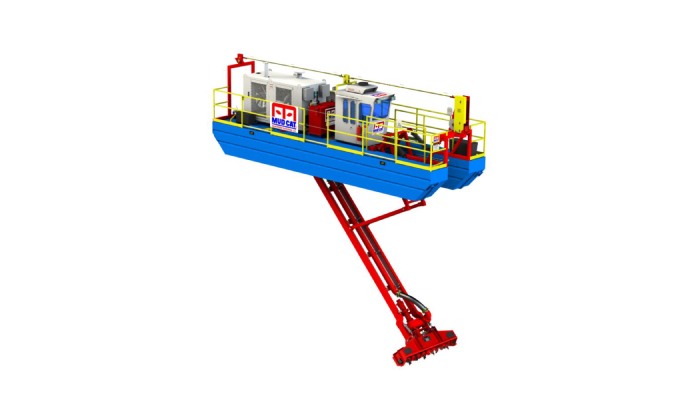
A diesel dredge is powered by a diesel engine that drives either mechanical or hydraulic dredging equipment. Diesel power provides the energy required to operate pumps, cutterheads, suction pipes, and auxiliary systems. Unlike electric-powered dredges, which depend on grid access or extensive cabling, diesel dredges are self-contained units capable of operating in remote or undeveloped regions.
Diesel dredges come in various forms, including cutter suction dredges (CSDs), trailing suction hopper dredges (TSHDs), and mechanical dredges equipped with buckets or grabs. Their ability to work across a wide range of environments—from coastal waterways to inland rivers—explains their enduring popularity.
Historical Context: The Rise of Diesel Power in Dredging
Before the widespread adoption of diesel technology in the 20th century, steam-powered dredges dominated. Steam engines, while revolutionary for their time, were labor-intensive, fuel-hungry, and less efficient. The introduction of diesel engines brought about a step-change in operational efficiency:
- Fuel efficiency: Diesel engines consumed less fuel compared to steam boilers.
- Lower maintenance: Fewer moving parts meant reduced downtime.
- Mobility: Diesel engines allowed dredges to be more compact, mobile, and versatile.
By the mid-20th century, diesel dredges had largely replaced steam-powered units, cementing their role as the primary workhorses of the industry.
Advantages of Diesel Dredges
1. Unmatched Mobility and Flexibility
One of the greatest strengths of a diesel dredge is its independence from shore-based infrastructure. Unlike electric dredges, which require a stable power grid or generators, diesel dredges carry their own power source. This makes them particularly effective in remote or underdeveloped areas where access to electricity is limited or nonexistent.
For example, when dredging in isolated rivers in Africa, Southeast Asia, or South America, contractors rely heavily on diesel dredges to carry out essential waterway maintenance.
2. Proven Reliability in Harsh Conditions
Dredging often takes place in challenging environments—saltwater, silt-heavy rivers, or storm-prone coastal zones. Diesel dredges are renowned for their durability and capacity to withstand harsh conditions. Their rugged build and proven engine technology allow operators to trust them for continuous operation, even during demanding 24/7 dredging campaigns.
3. Versatility Across Applications
A diesel dredge can be adapted to a wide range of projects, including:
- Port and harbor deepening to accommodate larger vessels.
- River maintenance to ensure navigable shipping channels.
- Land reclamation for urban development or airport expansions.
- Beach nourishment to counteract coastal erosion.
This broad spectrum of applications ensures diesel dredges remain the default choice for diverse projects worldwide.
4. High Power Output
Many dredging tasks require enormous pumping capacity and cutting power to move thousands of cubic meters of sediment daily. Diesel engines are capable of generating the high horsepower needed to drive cutterheads, pumps, and winches efficiently. For large-scale dredging projects where productivity is key, diesel power is difficult to beat.
5. Operational Independence
Diesel dredges are self-sufficient. With onboard fuel storage and auxiliary systems, they can operate for extended periods without needing frequent refueling or external support. This autonomy is particularly beneficial in offshore projects or regions with limited logistical support.
Diesel Dredges vs. Electric Dredges
As sustainability becomes a pressing concern, electric dredges are gaining attention for their lower emissions and reduced environmental impact. However, comparing the two highlights why diesel dredges still dominate:
- Infrastructure Requirements: Electric dredges need access to grid power or mobile generators, limiting their deployment to areas with developed energy infrastructure. Diesel dredges can operate almost anywhere.
- Scalability: Large diesel dredges can handle high-capacity projects more effectively than most electric counterparts.
- Cost of Deployment: While electric systems may have lower operating costs over time, the initial investment in infrastructure can be prohibitive. Diesel dredges, in contrast, are often more cost-effective to mobilize.
That said, hybrid solutions combining diesel and electric technology are emerging, offering operators flexibility and reduced emissions.
Environmental Considerations
One of the main criticisms of diesel dredges is their environmental footprint. Diesel engines produce greenhouse gas emissions and can contribute to localized air pollution. To address these concerns, manufacturers and operators are making strides in several areas:
- Emission Control Technologies: Modern diesel dredges are increasingly equipped with advanced exhaust after-treatment systems to reduce NOx, SOx, and particulate emissions.
- Fuel Efficiency Improvements: Engine manufacturers are designing engines that extract more power from less fuel.
- Alternative Fuels: The industry is experimenting with biodiesel, LNG (liquefied natural gas), and other cleaner fuels to power diesel dredges.
These innovations are helping diesel dredges maintain their relevance in a world focused on decarbonization.
The Role of Diesel Dredges in Developing Economies
While advanced nations may increasingly consider hybrid or electric dredges, developing economies depend heavily on diesel dredges. These regions often lack reliable power grids or the capital to invest in costly infrastructure. Diesel dredges provide a practical solution for maintaining rivers, ports, and coastal defenses that are vital for trade and economic growth.
For example, countries reliant on river transportation—such as Bangladesh or the Democratic Republic of Congo—require continuous dredging to prevent silting. Diesel dredges, with their mobility and power, are essential tools for keeping these lifelines open.
Technological Advancements in Diesel Dredges
Far from being outdated, modern diesel dredges are incorporating new technologies to boost efficiency and reduce environmental impact:
- Automated Controls: Digital systems now allow for precise dredging operations, reducing fuel waste.
- Remote Monitoring: Engine performance, fuel consumption, and maintenance needs can be tracked in real time.
- Hybrid Configurations: Some new models combine diesel power with battery storage, offering emission reductions without sacrificing mobility.
These advancements ensure diesel dredges remain competitive in an industry facing rapid change.
Looking Ahead: The Future of Diesel Dredges
While the dredging industry is exploring electrification and green technologies, diesel dredges are expected to remain dominant for the foreseeable future. Their independence, reliability, and ability to handle heavy-duty tasks make them indispensable in many contexts.
The future will likely see a hybrid approach: diesel dredges equipped with cleaner engines, alternative fuels, and energy-efficient systems, complemented by electric dredges where infrastructure allows. This balance will enable the industry to continue meeting global dredging needs while reducing its environmental impact.
Conclusion
The diesel dredge has been, and continues to be, the workhorse of the dredging industry. Its versatility, reliability, and independence from external infrastructure make it the go-to choice for projects worldwide—from deepening ports in Europe to maintaining rivers in Africa. While environmental concerns are driving innovation in electric and hybrid dredging, diesel technology remains irreplaceable for many operations.
Resource URL:
https://mudcatdredge.com/diesel-dredges/
https://en.wikipedia.org/wiki/Dredging

Pearl Collins is a freelance journalist and copywriter. Her work has been published in the International Business Times, The Guardian, and CNBC. She’s also written for startups such as Focal Point etc..