
How Remote Work Has Changed the Cybersecurity Landscape?

Remote work is no longer just a trend. For many businesses, it has become the new normal. While working from home or anywhere outside the office brings flexibility and convenience, it also changes the way companies need to think about cybersecurity.
New Challenges for Cybersecurity
When employees work from an office, companies can control many aspects of their security. Computers, networks, and software are all protected in one location. With remote work, employees access company systems from home networks, personal devices, or public Wi-Fi. This increases the chances of cyber threats such as phishing emails, malware, or unauthorized access to sensitive data. Businesses have realized that traditional security measures are no longer enough. They need to rethink how they protect their information and systems in a distributed environment. This is where expert guidance can make a real difference. Brigient cybersecurity services help companies understand these new risks and take steps to secure remote work setups.
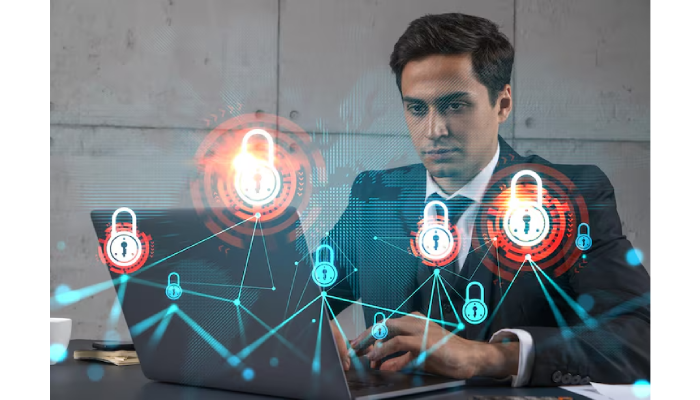
Protecting Devices and Networks
One of the biggest challenges of remote work is ensuring that devices and networks are secure. Personal devices might not have the same protections as office computers, and home Wi-Fi networks may not be properly secured. This makes it easier for attackers to gain access to company systems. Simple steps like using strong passwords, keeping software updated, and enabling antivirus programs can help. In addition, businesses can implement virtual private networks (VPNs) and multi-factor authentication to add extra layers of security. Brigient cybersecurity services provide guidance on these measures and help businesses implement them effectively without disrupting daily operations.
Educating Employees
People are often the weakest link in cybersecurity. Remote work makes it harder for IT teams to monitor employees and ensure they follow best practices. Training employees to recognize phishing attempts, use secure connections, and protect sensitive data is essential.
Regular communication and simple guidelines can reduce risks significantly. Brigient cybersecurity services can assist in creating training programs that are easy to understand and relevant to the challenges of remote work.
Maintaining Compliance and Trust
Remote work also affects compliance with data protection regulations. Businesses handling sensitive customer information need to ensure that remote work practices do not create violations. Failing to comply can result in fines and damage to reputation. By following structured cybersecurity policies, businesses can protect both their data and their reputation. Brigient cybersecurity services help companies maintain compliance while adapting to the flexibility that remote work demands.
Turning Challenges into Opportunities
Although remote work introduces new risks, it also presents opportunities for businesses to strengthen their cybersecurity. Companies that invest in secure practices build trust with customers and partners. They also create a culture of security that can improve overall efficiency and resilience. With expert support from Brigient cybersecurity services, businesses can turn remote work challenges into a chance to modernize their security measures and improve their operations.
Conclusion
Remote work is here to stay, and it has permanently changed the cybersecurity landscape. Businesses that adapt to these changes by protecting devices, educating employees, and maintaining compliance will be better positioned for long-term success. By working with experts like Brigient cybersecurity services, companies can navigate these challenges with confidence. Security does not have to be complicated, and with the right approach, remote work can be both flexible and safe.

Pearl Collins is a freelance journalist and copywriter. Her work has been published in the International Business Times, The Guardian, and CNBC. She’s also written for startups such as Focal Point etc..