Top Trends in 7v7 Football Uniforms Today

Today, 7v7 football uniforms are evolving in exciting ways. Sustainability is taking center stage as brands use eco-friendly fabrics like recycled polyester, reducing the environmental footprint. Bold graphics are on the rise too; teams now sport custom logos and eye-catching designs that enhance their identity on and off the field. Performance matters as well, with modern materials providing moisture-wicking properties for comfort during gameplay. But fit is key: tailored designs made using 3D scanning ensure a snug shape for athletes. Plus, nostalgic retro styles evoke pride among players and fans alike while tech integration offers new ways to track performance metrics during games.
1. Sustainability and Eco-Friendly Fabrics
Sustainability is becoming a key focus in 7v7 football uniforms. Many manufacturers are now using recycled materials, such as plastics, to create new fabrics, which helps reduce waste and promote a circular economy. For instance, recycled polyester not only cuts down on plastic use but also provides durability and performance. Additionally, organic cotton sourced from non-GMO plants is gaining traction, as it minimizes chemical use in production, making it a healthier choice for athletes and the environment.
Another innovative approach is the development of biodegradable fabrics that naturally break down over time, reducing long-term waste. Manufacturers are also taking steps to lessen their water consumption during production, which is crucial in addressing water scarcity issues. Collaborations with environmental organizations are common, as brands seek to promote awareness about sustainable practices in sportswear.
Transparency in sourcing materials is becoming essential as consumers increasingly demand accountability. Brands that share information about their material origins build trust with their customers. Moreover, life cycle assessments are used to measure the environmental impact of fabrics, guiding companies in making better choices. Local sourcing of materials is another trend that not only supports local economies but also decreases the carbon footprint.
Innovative dyeing processes that minimize water and chemical use are also on the rise, ensuring that vibrant colors can be achieved without harming the environment. Finally, many manufacturers encourage recycling programs for old uniforms, helping to reduce waste and promote a culture of sustainability within the sport.
2. Bold and Custom Graphics
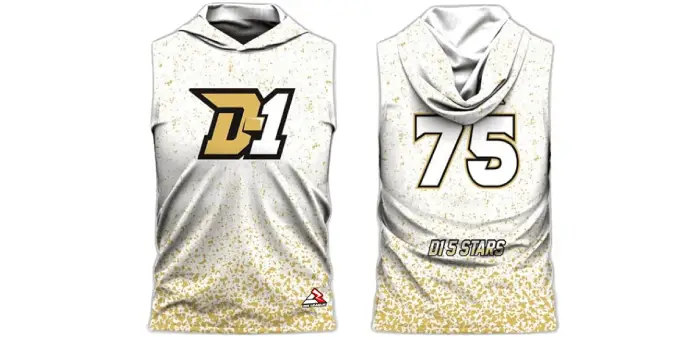
Bold and custom graphics are transforming 7v7 football uniforms into vibrant canvases of team identity. Thanks to advancements in digital printing technology, teams can now showcase intricate designs and patterns that were once difficult to achieve. Unique team logos can be prominently displayed, creating a strong visual presence on the field. The use of vibrant colors not only enhances visibility but also adds excitement, making uniforms stand out during games. Teams can even customize their names and graphics, giving a personal touch that resonates with players and fans alike.
Additionally, the trend towards minimalistic designs is gaining traction, offering a modern look that appeals to many. Reflective materials are being used to improve visibility during night games, ensuring safety while maintaining style. Some teams are experimenting with dynamic graphics that change based on player movements, adding an innovative edge to their uniforms. Incorporating player numbers into these designs creates a cohesive look, further enhancing team spirit and unity. With the ability to update graphics each season, teams can keep their uniforms fresh and exciting, making bold and custom graphics a key trend in today’s 7v7 football landscape.
- Digital printing technology allows for intricate designs and patterns
- Unique team logos can be prominently displayed on uniforms
- Vibrant colors enhance visibility on the field
- Ability to create matching fan gear with similar graphics
- Team names can be customized for a personal touch
- Graphics that can be easily updated each season to keep designs fresh
- The trend towards minimalistic designs for a modern look
- Use of reflective materials for better visibility during night games
- Dynamic graphics that change based on player movements
- Incorporating player numbers into graphic designs for a cohesive look
3. Performance-Enhancing Materials
In today’s 7v7 football uniforms, performance-enhancing materials are key to optimizing player comfort and effectiveness. Moisture-wicking fabrics draw sweat away from the body, helping players stay dry during intense games. Breathable materials promote airflow, which is essential for maintaining comfort, especially in warm weather. The elasticity of these fabrics allows for a full range of movement, crucial for athletes dodging opponents or sprinting down the field. Lightweight materials contribute to reduced fatigue, enabling players to maintain their energy levels throughout the match.
Additionally, many uniforms now feature antimicrobial properties to combat odor buildup, ensuring that players feel fresh even after a long day on the field. UV protection in the fabric shields athletes from harmful sun exposure, which is increasingly important during outdoor games. Durable stitching methods enhance the longevity of uniforms, making them resilient to the rigorous demands of the sport. Specialized padding in key areas provides impact protection, crucial for safety during tackles or falls. Moreover, temperature-regulating fabrics adapt to various weather conditions, keeping players comfortable regardless of the climate. Advanced seam technology also minimizes chafing and irritation, allowing athletes to focus solely on their performance.
4. Athlete-Centric Fit
Athlete-centric fit is becoming a game-changer in 7v7 football uniforms. Thanks to advancements in 3D body scanning technology, manufacturers can now create uniforms that fit each athlete’s body shape closely. This personalized fit not only reduces bulk but also enhances mobility, allowing players to move freely without any hindrance. Different body types and positions require varying fits, and tailored uniforms address these needs effectively. Many designs now come with adjustable features, enabling players to customize their fit based on personal preference.
Feedback from athletes plays a critical role in refining these fit designs. As players express their thoughts on how uniforms perform during games, designers can make dynamic adjustments that enhance comfort and functionality. Cutting-edge pattern-making techniques further optimize movement, focusing on ergonomic designs that improve performance. Sizing charts are also evolving, reflecting the current measurements of athletes to ensure a better fit. Collaboration between designers and athletes during the design process leads to uniforms that not only look great but also perform exceptionally well on the field.
5. Customizable Accessories
Customizable accessories are becoming a vital aspect of 7v7 football, allowing teams to enhance their overall look while providing functionality tailored to individual needs. Matching socks and gloves not only create a cohesive team appearance but also help players express their personal style. Personalized mouthguards can reflect a player’s personality, adding a unique touch to their gear. Specialized cleats designed for various playing surfaces ensure optimal performance, while headbands and wristbands in team colors contribute to a unified aesthetic. Additionally, custom water bottles featuring team logos and colors keep players hydrated in style. The trend of incorporating smart technology into accessories, such as performance tracking devices, is gaining traction, offering insights for players to improve their game. Seasonal changes in accessory designs keep the look fresh and exciting, and collaborations with accessory brands can lead to unique offerings that stand out. Easy online platforms allow teams to design and order these accessories, making it simpler to achieve a polished and professional look on the field.
6. Retro and Vintage Influences
The trend of retro and vintage influences in 7v7 football uniforms is making a strong comeback. Teams are embracing throwback styles that evoke nostalgia among both fans and players, creating a unique connection to their history. Classic stripes and old-school logos are prominent features, allowing teams to showcase their legacy while still maintaining a modern edge. Some uniforms incorporate historical elements, reimagining designs that honor past teams, making them relevant for today’s game.
Fan engagement also plays a key role in this trend. Many teams conduct polls to allow fans to choose retro designs for special game days, fostering a sense of community and involvement. Limited edition retro uniforms are often released for major events, generating excitement and exclusivity. Additionally, using vintage color palettes gives these uniforms a distinctive look that stands out on the field.
Collaborations with local artists to create retro-inspired graphics further enhance this trend. Such partnerships not only celebrate local culture but also breathe new life into classic designs. Celebrating anniversaries with throwback uniforms is another way teams connect with their roots, reminding everyone of their journey. Overall, these nostalgia-driven marketing strategies effectively engage fans and celebrate the rich history of the sport.
7. High-Tech Integration
High-tech integration is reshaping the landscape of 7v7 football uniforms. Teams are starting to use embedded sensors that track crucial performance metrics during games, such as heart rate, movement efficiency, and speed. This data can guide training sessions and gameplay strategies, allowing coaches to make informed decisions based on real-time information. Furthermore, some uniforms now connect seamlessly with fitness trackers, providing athletes with immediate feedback about their physical condition on the field.
Smart fabrics are also gaining traction, with materials that react to body temperature. This technology helps regulate athletes’ body heat, ensuring they stay comfortable and focused. Looking ahead, the potential for augmented reality features is exciting; imagine uniforms that interact with fans through their smartphones, enhancing the spectator experience.
Additionally, communication devices can be integrated into the uniforms, enabling teams to strategize effectively during matches. Wearable tech that monitors player health and safety is becoming more common, helping to prevent injuries by alerting coaches to potential issues before they escalate. The use of data analytics based on uniform feedback is revolutionizing training methods, while ongoing research into smart textiles promises even greater advancements in the future. Collaborations between sports brands and tech companies are paving the way for innovative solutions that can elevate performance and safety in the game.
Frequently Asked Questions
1. What materials are commonly used for 7v7 football uniforms today?
Most 7v7 football uniforms are made from lightweight, breathable fabrics like polyester or nylon, which help with moisture control and comfort during play.
2. How do the designs of 7v7 football uniforms reflect current trends?
Today’s designs often include bold colors, unique patterns, and personalized elements, allowing teams to express their identity and stand out on the field.
3. What features should I look for in a quality 7v7 football uniform?
Essential features include moisture-wicking fabric, durability, flexibility for movement, and appropriate padding for comfort and protection.
4. Are there specific styles of uniforms that are more popular in 7v7 football?
Yes, many teams prefer fitted jerseys and lightweight shorts that allow for better mobility while still showcasing team colors and logos.
5. How do player preferences influence uniform trends in 7v7 football?
Players often look for uniforms that are stylish yet comfortable, leading to a trend where functionality meets fashion, making comfort a top priority.
TL;DR The latest trends in 7v7 football uniforms showcase a commitment to sustainability with eco-friendly fabrics, bold custom graphics for team identity, and high-performance materials that enhance comfort. Athlete-centric fits are in demand, along with customizable accessories for a cohesive look. A nod to retro styles adds nostalgia, while high-tech integration, including performance tracking, marks a new era in uniform design. Overall, modern uniforms are a blend of practicality, personalization, and innovation.

Pearl Collins is a freelance journalist and copywriter. Her work has been published in the International Business Times, The Guardian, and CNBC. She’s also written for startups such as Focal Point etc..