
What Are Residential Safe Rooms and Are They Worth It for Your Home?

What Is a Residential Safe Room?
A residential safe room is a specially built, highly reinforced room inside your home. It is designed to protect your family during extreme events like cyclones, severe storms, or a break-in. Many homeowners now see these rooms as a long-term investment in safety and peace of mind.
Modern residential safe rooms are very different from old-style bunkers. They can be hidden in a bedroom, built into a basement, or even planned as part of a new flat or villa. With the right design, they look like a normal room but have strong walls, doors, and secure ventilation.
For Indian homeowners, safe rooms are becoming popular in premium apartments, bungalows, and farmhouses. They work both as a storm or disaster refuge and as a panic room during any security threat.
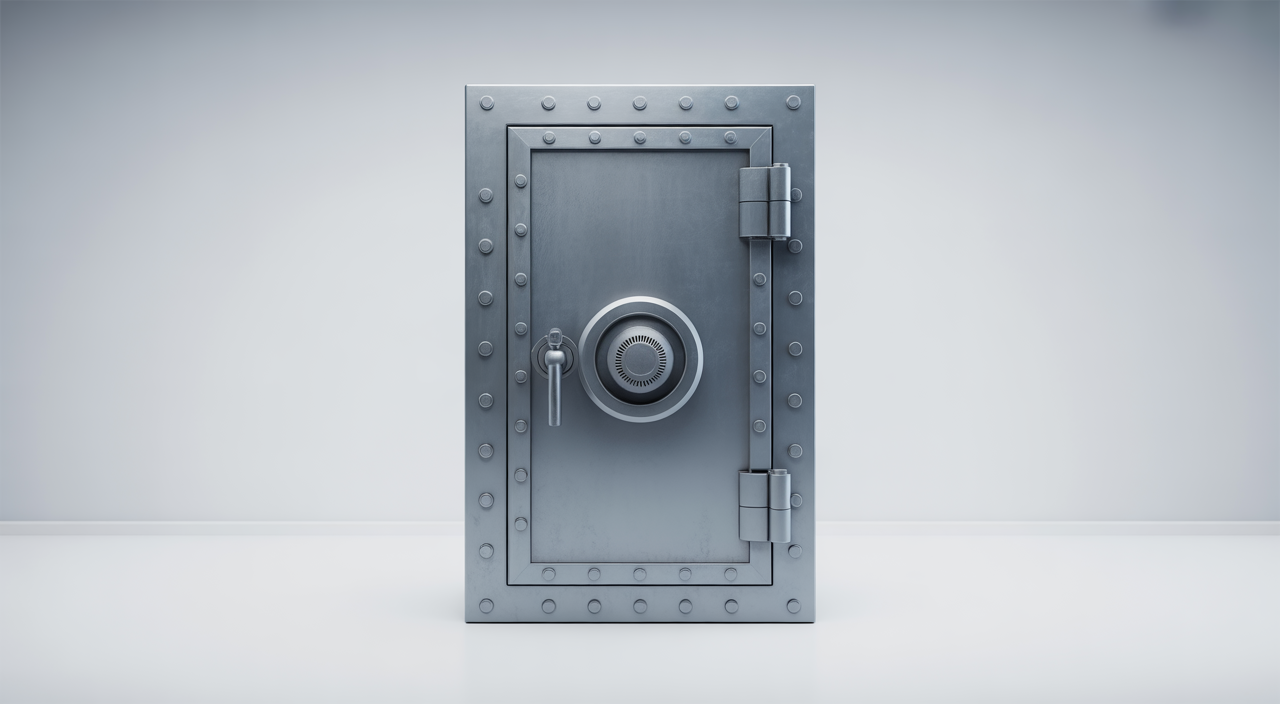
Why Every Homeowner Should Consider a Safe Room
The first and most important reason is family safety. A safe room gives you a secure place to gather if there is a natural disaster or a security scare in your area. Instead of wondering what to do, you already have a clear plan.
There is also financial logic. A well-designed home safe room can raise your property value, especially in high-end projects. Some global insurance companies also give better terms when a house has strong security features, similar to how they treat good locks and alarms, as explained in this guide on how home insurance looks at risk and protection.
Finally, a safe room offers day-to-day comfort. Knowing that you have a prepared, stocked room where your family can stay safe during any emergency removes a lot of silent stress.
Types of Residential Safe Rooms
Broadly, safe rooms fall into two groups. The first type is a storm or cyclone shelter, designed to handle extreme wind, flying debris, and structural pressure. The second type is a security or panic room, built to resist forced entry and sometimes bullets.
Many homeowners choose a combination design. The walls and doors are strong enough to handle both bad weather and intruders. This mixed approach works well for villas, farmhouses, and independent houses where both nature and security can be concerns.
Materials and Door Ratings in Safe Rooms
The walls of a good safe room usually have reinforced concrete, steel plates, or specially treated bricks. The goal is to prevent penetration from tools, bullets, or sharp debris. In high-security designs, a solid steel inner shell is fixed inside existing walls.
The door is the most critical part. A safe room door should be heavier and thicker than any other door in your house. Look for doors that are tested for impact and, where needed, bullet resistance. Locking systems can be simple but must be very strong and quick to operate from inside.
Windows, if any, should use small, high-strength glass panels or be covered with internal shutters that lock from inside. Many experts suggest avoiding windows completely for the main safe room.
How Much Do Residential Safe Rooms Cost?
Costs vary a lot by size, materials, and location, but you can use some broad ranges to plan. For a basic storm-style safe room created within an existing room, global average costs often fall between the equivalent of ₹8,000 to ₹15,000 per square foot.
For a higher-security panic room with bullet-resistant doors, CCTV, and independent power backup, budgets can reach ₹20,000 per square foot or more. Custom luxury finishes, integrated wardrobes, or office setups will add further cost but can make the room more useful in daily life.
When you plan, split costs into three parts: structure (walls, floor, ceiling), security (door, locks, cameras), and systems (ventilation, power backup, communication). This helps you decide where to spend more and where a basic solution is enough.
Insurance Benefits and Return on Investment
While safe rooms are not yet a standard discount item for many Indian insurers, strong home security often leads to better terms. Over time, as more homes add fortified rooms, insurers may begin to recognise them similar to strong safes and alarm systems.
Real estate value is another benefit. In premium markets, a well-planned safe room can be marketed as a “secure suite” or “family refuge area.” Buyers with children, elderly parents, or valuable collections often see this as a strong plus, similar to how separate studies or home theatres are viewed in many modern projects.
Design & Aesthetic Integration
Your safe room does not need to look like a bunker. It can also function as a walk-in wardrobe, home office, pooja room, or kids’ room in day-to-day life. The trick is to keep the structure strong while using normal interior finishes.
For example, you can hide a heavy safe-room door behind a decorative wooden panel. Walls can be covered with wallpaper, wooden cladding, or paint, even if the inner core is steel or concrete. Lights, fans, and storage units can be installed just like in any other room.
Location matters too. Basements are good for temperature and privacy, while inner bedrooms or central store rooms work well in flats. Avoid outer corners of the building where wind and debris pressure may be higher.
Installation Process & Timeline
If you are building a new home, the best time to plan the safe room is during the architectural design stage. The structural engineer can easily add extra steel, thicker slabs, and planned ducting for air and power.
For existing homes, most projects take 2 to 6 weeks, depending on how much demolition and strengthening is needed. Work happens in stages: assessment and design, structural work, installation of door and systems, then finishing and painting.
Always work with a contractor who has experience in secure construction. For big investments like this, hiring insured professionals, similar to those discussed in this article on why contractor insurance and expertise matter, helps protect both your money and your family.
Smart-Home Integration & Maintenance
A modern safe room works best when it is integrated with your other systems. You can add CCTV cameras outside the door, a small display screen inside, and an intercom. A separate Wi‑Fi or wired connection inside the room ensures communication even if the main living area is disturbed.
Ventilation is key. Plan protected air inlets with filters and covers that cannot be easily blocked from outside. A small battery-backed light system and mobile charging points are also very useful during power cuts.
Once the room is ready, check it every 3 to 6 months. Test the locks, hinges, and lights. Replace flashlight batteries, refresh stored drinking water, and keep basic first-aid and medicines updated.
Are Residential Safe Rooms Worth It for Indian Investors?
For investors and homeowners in India, a safe room can be both a lifestyle feature and a safety net. In high-value homes, it positions the property in a more premium, security-conscious segment. For end users, it offers a protected space for family members, staff, and important documents.
If you are planning a new home or renovating a large property, it is worth setting aside a part of your budget for this feature. The upfront cost is meaningful, but the long-term comfort and potential value appreciation are hard to ignore.
Frequently Asked Questions on Residential Safe Rooms
Q1: Can I convert an existing room into a safe room, or must it be built from scratch?
Yes, many safe rooms are created by upgrading an existing bedroom, store room, or walk-in wardrobe. The main steps are strengthening the walls and ceiling, installing a secure door, and adding backup systems for light, air, and communication.
Q2: How big should a home safe room be for a typical family?
For a family of four, a room of 80 to 120 square feet is usually comfortable for short stays of a few hours. If you want to store supplies or use the room as a home office or wardrobe, plan for a slightly larger size so that circulation and storage both work well.
Q3: Do residential safe rooms need special government approvals?
In most cases, they follow the same building rules as any other room, as long as structural safety is maintained. If you are making major changes to load-bearing walls or slabs, your architect and structural engineer should get the required approvals from local authorities before starting work.

Pearl Collins is a freelance journalist and copywriter. Her work has been published in the International Business Times, The Guardian, and CNBC. She’s also written for startups such as Focal Point etc..