
Compare Card Machines: Which Features Matter Most?
Choose card machines prioritising security (EMV, PCI), suitable connectivity, software integration, clear fees, responsive support, ease of use, and multiple payment options.
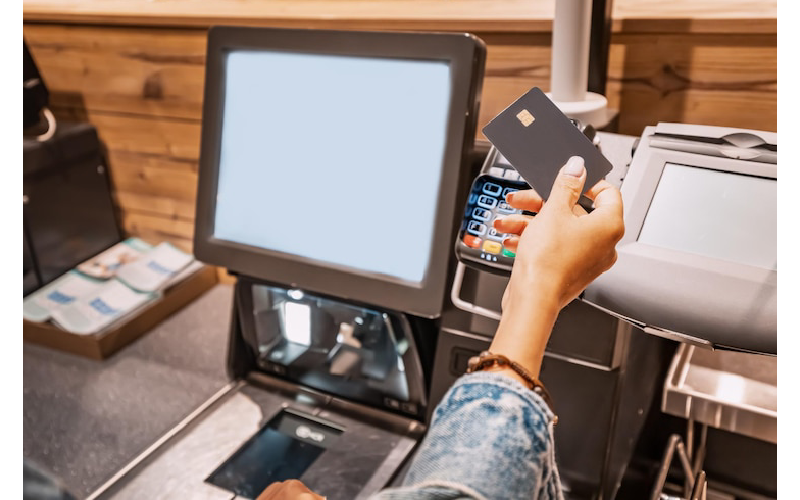
Choosing the right card machine involves looking beyond just the price. Security is vital, especially EMV compatibility and PCI compliance to protect customer data. Connectivity matters too; Ethernet suits fixed locations, while WiFi or Bluetooth works for mobile use. Integration with existing software can make operations smoother, saving time and effort. Transparent fees without hidden charges help avoid unpleasant surprises. Having responsive customer support is also important, particularly for setups requiring training or quick problem-solving. Lastly, ease of use and acceptance of multiple payment types (chip, contactless, wallets) ensure both staff and customers have a better experience overall.
Understanding Card Machines and Their Uses
Compare Card Machines, often called credit card readers or POS terminals, are devices that allow businesses to accept payments made by debit or credit cards, as well as contactless methods like Apple Pay and Google Pay. These machines are essential for processing transactions securely, converting the cardholder’s data to authorise payments through card networks. They support various payment types, including chip, swipe, and contactless, ensuring compatibility with most cards. The choice of a card machine depends heavily on the nature of the business, such as whether sales occur in-store, on the move, or online, and the volume of transactions handled daily. By speeding up the checkout process and reducing the need for cash handling, card machines improve efficiency and customer experience. Some models provide printed receipts, while others offer digital options sent via email or SMS, catering to different customer preferences. Understanding the technology behind these devices, along with current payment trends like the growing use of contactless payments, helps businesses select machines that align with their operations and customer expectations.

Different Types of Card Machines Explained
Card machines come in several forms, each suited to different business needs and environments. Traditional countertop terminals are fixed devices typically found at busy checkouts; they support chip, swipe and contactless (NFC) payments and usually connect via Ethernet or WiFi for reliable, stable connections. Mobile card readers, on the other hand, connect wirelessly to smartphones or tablets, often via Bluetooth Low Energy, making them ideal for businesses that need portability, such as market stalls or food trucks. Virtual terminals operate purely through software, allowing businesses to process payments over the phone or online where the card is not physically present, offering great flexibility for remote or online sales. Integrated POS systems combine payment processing with inventory and sales management software, providing a comprehensive solution for retail and hospitality sectors, often including customer displays and receipt printers. There are also dedicated contactless payment systems designed specifically to accept NFC payments from cards or mobile wallets like Apple Pay and Google Pay without any physical contact. Choosing the right type depends largely on your business model, whether you require mobility, the types of payments you want to accept, and how you want to manage sales and inventory alongside payments.
Security Features to Prioritise
When comparing card machines, security features are vital to protect both your business and customers from fraud. EMV chip compatibility is a must-have, as it offers stronger protection than traditional magnetic stripe cards by generating unique transaction codes that are difficult to counterfeit. Compliance with PCI DSS standards ensures that cardholder data is handled according to strict security protocols, reducing the risk of data breaches. Encryption plays a key role by safeguarding payment information during transmission between the card machine and payment processor, while tokenisation replaces sensitive card details with tokens, preventing data theft even if intercepted. Point-to-point encryption (P2PE) goes a step further by securing payment data from the moment it is captured until it reaches the processor. Regular software updates are essential to patch vulnerabilities and keep devices compliant with evolving security requirements. Additionally, secure user authentication on devices helps prevent unauthorised access, with some machines offering biometric verification or PIN entry for extra protection. Real-time fraud detection features can flag suspicious transactions promptly, giving businesses greater control over potential threats. Choosing card machines that incorporate these security measures is crucial for maintaining trust and avoiding costly fraud incidents.
- EMV chip compatibility provides enhanced security over magnetic stripe cards, reducing fraud risks
- PCI DSS compliance ensures cardholder data is handled according to strict security standards
- Encryption protects data during transmission between card machines and payment processors
- Tokenisation replaces sensitive card data with tokens to prevent data theft
- Point-to-point encryption (P2PE) further secures payment data from capture to processing
- Regular software updates patch vulnerabilities and maintain security compliance
- Secure user authentication on devices prevents unauthorised access to payment systems
- Some machines offer biometric or PIN verification for added security
- Fraud detection features flag suspicious transactions in real time
- Choosing machines that meet these standards helps protect businesses and customers from payment fraud
Connectivity Options and Their Impact
Connectivity plays a crucial role in the performance of card machines, directly influencing transaction speed and reliability. Ethernet connections offer a stable and fast data transfer, making them ideal for fixed locations with wired internet, such as retail counters. In contrast, WiFi provides greater flexibility but can be vulnerable to signal drops or interference, especially in crowded or remote areas, which may slow down or interrupt transactions.
Bluetooth is well-suited for mobile or pop-up businesses, allowing card machines to pair easily with smartphones or tablets. However, it typically requires the paired device to maintain a connection, which might limit its range. For truly independent operation, 4G/LTE cellular connections are invaluable, enabling card machines to process payments without relying on local internet infrastructure. This is particularly beneficial for outdoor events or mobile vendors.
Many modern card machines support multiple connectivity options and can automatically switch between them, ensuring the best available connection is used. Backup connectivity, such as switching to 4G when WiFi fails, minimises downtime and keeps transactions flowing smoothly. This resilience is essential to maintain a positive customer experience and avoid lost sales during outages.
Security is also a major consideration with connectivity. For example, WiFi connections should use strong protocols like WPA3 to protect payment data from interception. Businesses must assess their environment and connectivity needs carefully to select a card machine that performs reliably and securely, whether tethered to a fixed spot or operating on the move. Mobile businesses, in particular, often prioritise wireless options to maximise flexibility while ensuring consistent transaction processing.
How Integration Enhances Business Operations
Integrating card machines with other business software significantly streamlines daily operations. For instance, linking them to inventory management systems automates stock updates as sales are made, reducing errors and saving staff time. When connected to accounting software, transactions flow directly into bookkeeping records, easing financial reporting and cutting down manual data entry. Customer relationship management (CRM) integration further boosts business potential by enabling loyalty programmes and personalised marketing campaigns based on real-time purchase data. Many card machine providers offer open APIs, allowing businesses to tailor these integrations to fit their unique workflows, which is especially useful for those with complex or multi-channel operations. Synchronising sales data across platforms ensures accuracy and consistency, improving decision-making and reducing costly mistakes. Additionally, integrated systems speed up the checkout process and enhance staff productivity by centralising tasks in one interface. Real-time reporting from these combined systems gives businesses immediate insights into performance, helping adjust strategies quickly. Support for multi-channel sales, from physical stores to online shops and mobile devices, means a seamless experience for both customers and staff. By choosing card machines with broad integration capabilities, businesses reduce reliance on multiple disconnected systems, lowering training requirements and operational costs while future-proofing their technology as they grow.
Transparent Fee Structures to Watch For
When comparing card machines, understanding the fee structure is crucial to avoid unexpected costs. Transaction fees usually combine a percentage of each sale with a fixed amount per transaction, which can add up quickly depending on your sales volume. Many providers also charge monthly fees regardless of how many transactions you process, which may not suit small or seasonal businesses that have fluctuating sales. Initial costs can increase if start-up fees or equipment rental charges apply, so it is important to factor these in when budgeting. Cancellation or early termination fees are another hidden expense to watch for, especially if you think you might switch providers later on. Some suppliers offer subscription models with flat monthly fees, which provide predictable costs but might not be economical if your transaction volume is low. Interchange fees, set by the card networks, are often passed through without markup by certain providers, resulting in clearer pricing. However, hidden fees like PCI compliance charges or costs related to chargebacks can catch businesses off guard. Larger businesses might benefit from negotiating fees based on transaction size or volume to reduce overall charges. Ultimately, transparent pricing enables better budgeting and fair comparison across providers. Always review the full breakdown of fees and contract terms before committing to any card machine supplier to ensure you’re not caught out by unexpected costs.
Evaluating Customer Support Quality
Good customer support is often overlooked but crucial when comparing card machines. Access to multiple support channels such as phone, email and live chat allows businesses to resolve issues quickly, reducing downtime. For those operating outside typical hours, 24/7 support can be a significant advantage, ensuring help is always available. Comprehensive support should cover hardware problems, software glitches and payment processing errors alike. Training resources and setup assistance are also valuable, helping staff get comfortable with new systems faster and reducing operational hiccups. Self-help options like user manuals and online knowledge bases offer convenient solutions for common questions, allowing businesses to troubleshoot without delay. Response times and issue resolution rates provide measurable insights into support quality, so it’s worth checking these metrics alongside independent reviews on sites like Trustpilot or Capterra. Local support teams based in the same region can improve communication and tailor service to local needs. Some providers go further by assigning dedicated account managers, offering a personalised touch that can streamline ongoing assistance. Ultimately, reliable customer support minimises disruptions and keeps transactions running smoothly, which is vital for maintaining customer satisfaction and business efficiency.
User Interface and Ease of Use
A card machine’s user interface plays a vital role in ensuring smooth and quick transactions. Touchscreen displays with clear, well-designed icons help speed up the payment process while reducing mistakes. Simple navigation menus benefit both staff and customers by making the payment steps straightforward and efficient. Many devices now offer customisable screens, allowing businesses to arrange functions in a way that suits their workflow, which can save time during busy periods. Visual and audio prompts are particularly useful for users unfamiliar with the device, guiding them through each step and minimising errors. An intuitive interface also means less time spent on staff training and faster transactions, improving overall service quality. In diverse environments, compatibility with multiple languages helps cater to a broader customer base, while accessibility features ensure the device can be used comfortably by people with disabilities. Integration with mobile apps enables managers to monitor payments remotely and update settings on the go. Regular software updates from manufacturers enhance usability and add new features, keeping the device current and responsive to user needs. Ultimately, a well-designed user interface boosts satisfaction for both employees and customers, making it a key factor when comparing card machines.
Accepting Various Payment Methods
A card machine’s ability to accept a wide range of payment methods is essential for meeting customer expectations and speeding up transactions. Support for EMV chip cards is now standard, offering a secure way to process payments and reduce fraud. Despite this, magnetic stripe acceptance remains important as a fallback for older cards or when chip readers fail. Contactless payments using NFC technology enable quick tap-to-pay, which customers increasingly prefer for convenience and speed. Mobile wallets like Apple Pay, Google Pay and Samsung Pay are also growing in popularity, so machines that support these options widen your customer base. Furthermore, accepting multiple card networks such as Visa, Mastercard, Amex and Discover ensures that most customers can pay with their preferred card. Some modern terminals even support QR code payments, catering to emerging digital payment methods popular in certain regions or industries. Integrated POS systems often handle gift cards and loyalty cards too, providing added value and encouraging repeat business. Features like split payments and partial authorisations give flexibility at checkout, useful when customers want to pay with multiple cards or use gift vouchers alongside cash. On the customer service side, refund and void capabilities simplify handling returns and disputes, improving overall experience. Ultimately, card machines that accommodate a broad spectrum of payment types help businesses cater to diverse consumer preferences and maintain smooth, efficient transactions.
Receipt Printing and Digital Options
Receipt printing remains a key feature for many businesses, with on-device thermal printers being the standard choice. These printers are valued for their speed and quiet operation, plus they require no ink cartridges, which lowers maintenance. Immediate physical receipts help customers confirm their purchase instantly at checkout, which is especially important in busy retail or hospitality environments. However, digital receipts have grown in popularity, offering an eco-friendly alternative by reducing paper waste and simplifying record keeping. Many modern card machines can send receipts via SMS or email, often allowing customers to select their preferred format at the point of payment. This flexibility supports contactless payments and remote sales, which are increasingly common. Customisable receipt templates are another advantage, enabling businesses to include branding, promotions or legal information directly on the receipt. Additionally, cloud storage of digital receipts benefits both businesses and customers by streamlining accounting and aiding dispute resolution when needed. It is also important that receipt options comply with local regulations concerning transaction records. Combining printed and digital receipt options offers a balanced approach that caters to different customer preferences and business needs, enhancing post-sale experience and helping maintain organised operations.
Essential Software Features for Card Machines
When selecting a card machine, the software features play a crucial role in the efficiency and ease of managing payments. Integrated payment processing with built-in processors ensures transactions run smoothly without relying on third-party services, reducing delays and potential errors. User management tools are essential, especially for businesses with multiple staff members; role-based access controls help safeguard sensitive financial data by limiting permissions based on job roles.
Comprehensive reporting and analytics dashboards provide valuable insights into sales trends and overall financial health, enabling better decision-making. Customer management features, including loyalty programmes and targeted marketing capabilities, help businesses retain clients and encourage repeat purchases. The ability to seamlessly integrate with other business software such as inventory, accounting, and CRM systems streamlines operations and reduces manual data entry.
Offline payment processing is another key feature, allowing transactions to continue even during internet outages, which is vital to avoid lost sales. Automated updates for security patches and new functionalities keep the system compliant and efficient without requiring manual intervention. Customisable user interfaces accommodate different business needs and staff skill levels, making the system easier to use and reducing training time.
Support for digital receipts via SMS or email not only enhances customer convenience but also contributes to environmental sustainability by reducing paper waste. For businesses operating in diverse markets, multi-currency and multi-language support can be essential to provide a smooth customer experience and handle international transactions effectively. Together, these software features form the backbone of a versatile and reliable card machine system that supports both day-to-day operations and long-term business growth.
Popular Card Machines and Their Key Features
When comparing popular card machines, it helps to look at their connectivity, screen size, payment support, and intended use. The QD2 Dejavoo offers WiFi and 4G/LTE connectivity with a 5.5-inch touchscreen, making it versatile for mobile businesses or locations where fixed internet isn’t reliable. Its sibling, the QD4 Dejavoo, supports WiFi and Ethernet with the same screen size but is designed for fixed countertop use, providing a stable connection for retailers. Clover’s range covers various needs: the Flex LTE/WiFi is a handheld device supporting chip, swipe and contactless payments, with Clover Care support, ideal for flexible, on-the-move sales. The Clover Mini LTE steps it up with a 7-inch colour touchscreen and full POS capabilities, suited for retail counters. For larger setups, the Clover Station Solo combines WiFi, Ethernet, and 4G/LTE with a 14-inch HD tiltable screen, cash drawer, and printer, fitting well in retail and service environments. The Station Duo adds a customer-facing screen, enhancing interaction, and supports multiple connectivity options, targeting quick service and retail businesses. Swipe Simple B250 connects via Bluetooth Low Energy to smartphones or tablets, supporting EMV, magnetic stripe, and contactless payments, a budget-friendly option for mobile sellers. Toast hardware is tailored for full-service restaurants, boasting long battery life and offline mode to keep operations smooth even during connectivity drops. Square’s free card reader and software stand out for their ease of setup and lack of monthly fees, making them popular among small to medium enterprises. Meanwhile, PayPal Zettle offers a mobile-friendly solution with invoicing and clear fee structures, appealing to businesses that need a straightforward, mobile payment option.
Insights from Leading Providers in 2025
In 2025, choosing the right card machine often comes down to matching specific features to your business model. eHopper stands out for startups and small businesses by offering free software and no processing fees, alongside various terminal options that keep costs low. Clover provides a comprehensive all-in-one solution with useful employee and inventory management tools, though users should consider that battery life can vary depending on the device. Toast remains a favourite for full-service restaurants thanks to its 24-hour battery life and offline processing, yet its contracts may feel restrictive for some. Lightspeed focuses on quick-service restaurants, boasting PCI compliance and cloud-based hardware, but comes with higher fees which could impact smaller operations. For mobile businesses, PayPal Zettle offers simple pricing and invoicing features, although hardware choices are somewhat limited. Stripe POS supports over 135 currencies and enables omnichannel sales, making it ideal for businesses operating internationally, but it carries a steeper learning curve and higher fees. Square is praised for its ease of use and lack of monthly fees, although it lacks chat support and options for custom rates, which may be a drawback for more complex needs. Shopify POS integrates seamlessly with Shopify e-commerce platforms, making it suitable for pop-up shops, but it requires a monthly subscription. Aloha Cloud caters to restaurants with cloud-based features and kitchen display systems, though its hardware pricing is less transparent. Lastly, KORONA POS supports restricted industries such as CBD and liquor, offering 24/7 support, but it does not include a built-in processor, which means additional setup is necessary. Understanding these nuances helps businesses align their priorities with the strengths and limitations of each provider.
Additional Factors to Consider When Choosing
When selecting a card machine, several additional factors can significantly affect your day-to-day operations. Battery life is particularly important for mobile businesses; for example, the Toast Go 2 offers up to 24 hours of use, which is ideal for long shifts without access to charging. Offline mode is another valuable feature, allowing payments to be processed even without an internet connection, preventing lost sales during connectivity disruptions. The ease of setup also matters: devices with plug-and-play hardware and intuitive apps minimise training time and reduce user errors, which is especially helpful for businesses with high staff turnover. Contract terms should be reviewed carefully to avoid unexpected costs, taking note of contract length, cancellation fees, and any hidden charges. It’s wise to consult third-party reviews on platforms like Trustpilot, Capterra, and G2 to gain unbiased insights into real user experiences. Connectivity options influence reliability; Ethernet is best suited for fixed locations requiring stable connections, while WiFi and 4G/LTE provide flexibility for mobile setups. Fee structures vary among providers and can include transaction fees, monthly minimums, start-up costs, and cancellation fees, so transparency is key to budgeting effectively. Customer support responsiveness is crucial, with 24/7 availability preferred to ensure continuous operation and quick problem resolution. Compatibility with your existing business systems and APIs can streamline workflows, making reporting and integrations smoother. Lastly, accepting multiple payment types, including chip, swipe, contactless, and mobile wallets, enhances the customer experience by offering convenient options across all common payment methods.
Summary of Features That Matter Most
When comparing card machines, security features like EMV chip support, PCI Level 1 compliance, encryption and tokenisation are fundamental to reduce fraud risks. Reliable connectivity options such as WiFi, Ethernet, Bluetooth and cellular networks ensure that the device works smoothly in various business environments, whether fixed or mobile. Integration capabilities with existing software and open APIs are crucial for streamlining operations and improving efficiency, allowing businesses to connect payment processing with inventory, accounting or CRM systems. Transparent pricing without hidden fees helps businesses manage costs effectively, avoiding unexpected charges that could impact profitability. Good customer support, including accessible and responsive help with training and setup, can make a significant difference in adopting and maintaining the system. Device functionality should cover multiple payment types including chip, swipe, contactless and mobile wallets, with options for printed or digital receipts to suit customer preferences. Essential software features like reporting, analytics, user roles and customer management provide valuable insights and control over sales and staff. Flexibility to accept in-person, mobile, online and contactless payments supports diverse sales channels, ensuring no opportunity is missed. User-friendly interfaces with clear instructions help minimise errors and speed up transactions, improving both customer experience and staff efficiency. For mobile or variable environments, battery life and offline capabilities are key to maintaining continuous operation without disruptions. These features together create a robust, adaptable payment solution tailored to a business’s unique needs.
Frequently Asked Questions
1. What are the key security features to look for in card machines?
When comparing card machines, important security features include end-to-end encryption, PCI compliance, and secure PIN entry. These ensure customer data is protected during transactions and reduce the risk of fraud or data breaches.
2. How does connectivity affect the reliability of card machines?
Connectivity options such as 3G, 4G, Wi-Fi, or Ethernet determine how reliably a card machine can process payments. Machines with multiple connectivity modes offer greater flexibility and fewer interruptions, especially in areas with variable signal strength.
3. Which card acceptance types should a machine support for better versatility?
A versatile card machine should accept chip and PIN, contactless payments, magnetic stripe cards, and mobile wallets like Apple Pay or Google Pay. This range accommodates different customer preferences and payment methods, helping to speed up transactions.
4. What role does battery life play in choosing a card machine?
Battery life is crucial if the machine is used on the move or in locations without constant power. A longer-lasting battery ensures uninterrupted service during busy periods, reducing downtime and frustration for both staff and customers.
5. How important is the ease of use for staff when selecting a card machine?
Ease of use matters because complicated machines can slow down the payment process and increase the risk of errors. Look for user-friendly interfaces, clear displays, and straightforward operation to help staff complete transactions quickly and confidently.
TL;DR Choosing the right card machine requires weighing key features like security (EMV, PCI compliance), connectivity (WiFi, Ethernet, LTE), and integration with business software. Transparency in fees and solid customer support are essential to avoid hidden costs and downtime. User-friendliness, acceptance of various payment methods including contactless, and options for printing or digital receipts improve both staff and customer experience. Popular models vary by use case, from mobile to fixed terminals, with providers offering diverse pricing and service plans. Consider battery life, offline capabilities, and contract terms to find the best fit. Overall, prioritising security, reliability, clear pricing, and ease of use helps businesses select the most suitable card machine for their needs.

Pearl Collins is a freelance journalist and copywriter. Her work has been published in the International Business Times, The Guardian, and CNBC. She’s also written for startups such as Focal Point etc..