
How Secure Are UPI Credit Card Transactions?

In today’s fast-paced digital economy, UPI credit cards are transforming the way Indians make payments. By combining the flexibility of a credit card with the convenience of the Unified Payments Interface (UPI), these cards have made day-to-day transactions simpler, faster, and more accessible. But with any financial innovation, the most important question remains how secure are UPI credit card transactions?
This article explores the security framework of UPI credit cards, the risks involved, and best practices to ensure safe usage.
UPI Credit Cards: Meaning and Benefits
Before diving into security aspects, let’s clarify what a UPI credit card actually means.
- A UPI credit card allows users to link their credit card to UPI apps like Google Pay, PhonePe, Paytm, and BHIM.
- Instead of using debit cards or bank accounts for UPI transactions, you can now make payments directly from your credit line.
- Currently, RuPay credit cards issued by major banks are enabled for UPI linkage.
In short, UPI credit cards merge the best of both worlds: UPI’s instant, 24/7 payments and credit card’s financial flexibility.
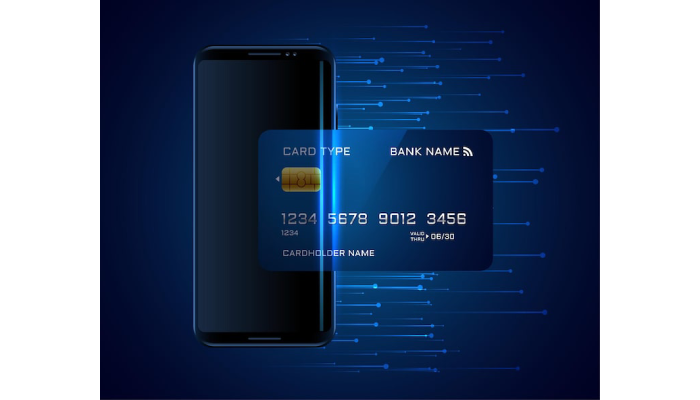
How Secure is UPI as a Platform?
UPI itself is considered one of the safest digital payment systems in the world, built under the National Payments Corporation of India (NPCI). Here’s why:
- Two-Factor Authentication (2FA) – Every UPI payment requires both the registered mobile number and a UPI PIN.
- End-to-End Encryption – Sensitive payment information never leaves the secure banking network.
- Real-Time Alerts – Each transaction instantly triggers an SMS/email notification.
- Device Binding – UPI links to your specific smartphone, making unauthorized access harder.
When combined with credit card systems, this robust security framework extends to UPI credit cards as well.
Security Features of UPI Credit Cards
Linking a credit card to UPI adds an extra layer of convenience, but are these transactions secure? Let’s break down the built-in safety measures:
1. Tokenization of Card Details
- Actual card numbers are never shared with merchants.
- Instead, a unique “token” is created to process the payment.
- This significantly reduces the risk of card cloning or theft.
2. NPCI & RBI Guidelines
- All UPI credit card transactions follow RBI’s strict security mandates.
- Banks and UPI apps comply with PCI-DSS standards (Payment Card Industry Data Security Standards).
3. Mandatory UPI PIN
- Even though you’re paying via credit card, you must still enter your UPI PIN for authentication.
- This dual step makes fraud much harder.
4. Instant Fraud Alerts
- Just like with debit/credit cards, you’ll receive immediate alerts if a transaction occurs.
- This transparency lets you react quickly to suspicious activity.
5. Control via Apps
- Many UPI apps now allow you to set spending limits or even disable UPI credit card payments temporarily for added safety.
Potential Risks with UPI Credit Cards
While UPI credit cards are designed to be secure, no digital system is 100% risk-free. Here are some possible threats users should be aware of:
- Phishing Attacks – Fraudsters may send fake links/messages tricking you into sharing card details or UPI PIN.
- Malware or Spyware – If your phone is compromised, cybercriminals may attempt unauthorized transactions.
- Fake UPI Apps – Downloading unverified apps can expose sensitive data.
- Human Error – Accidentally entering your PIN in a fraudulent app or sharing OTPs can compromise security.
How to Stay Safe While Using a UPI Credit Card?
The good news is that most security breaches occur due to user negligence rather than system flaws. By following these best practices, you can ensure safe and worry-free transactions:
1. Use Only Official UPI Apps
Stick to trusted platforms like Google Pay, PhonePe, Paytm, and BHIM. Avoid third-party apps that are not verified.
2. Never Share Your UPI PIN
Your UPI PIN is like your ATM PIN—keep it private. Neither banks nor UPI apps will ever ask for it.
3. Keep Your Device Secure
- Use a strong screen lock on your smartphone.
- Regularly update your operating system and apps.
- Install antivirus software if possible.
4. Monitor Transactions Regularly
Check your bank and card statements often. If you notice an unknown transaction, report it immediately.
5. Enable Card Controls
Most banks provide features like:
- Blocking online transactions temporarily.
- Setting daily/transaction limits.
- Receiving real-time SMS/email alerts.
Why UPI Credit Cards Are Gaining Popularity?
Beyond security, UPI credit cards bring multiple benefits that explain their rising adoption in India:
- Convenience – Pay instantly without carrying a physical card.
- Rewards – Earn cashback, points, and other credit card perks.
- Wider Acceptance – Even small kirana shops and street vendors now accept UPI payments.
- Financial Flexibility – Unlike debit cards, payments don’t deduct instantly; you can repay later.
- Future of Digital Payments – UPI credit cards represent the next evolution in India’s cashless ecosystem.
The Future of UPI Credit Card Security
RBI and NPCI are continuously working to make digital transactions safer. Some upcoming improvements may include:
- Biometric Authentication (fingerprint/face unlock for payments).
- AI-Powered Fraud Detection to catch suspicious patterns early.
- More Bank Integrations beyond RuPay, potentially Visa and Mastercard.
Conclusion
So, how secure are UPI credit card transactions?
The answer: very secure, as long as you use them responsibly. UPI’s encrypted infrastructure, combined with credit card security features like tokenization and two-factor authentication, ensures a highly safe digital payment experience.
That said, security is a shared responsibility. While the system is strong, users must stay alert, use only trusted apps, safeguard their PIN, and monitor their accounts regularly.

Pearl Collins is a freelance journalist and copywriter. Her work has been published in the International Business Times, The Guardian, and CNBC. She’s also written for startups such as Focal Point etc..