
How to Buy Pure CBD Oil Safely?
Research reputable CBD brands, check lab tests, read labels for ingredients, prefer CO2 extraction, and understand THC levels for safe buying.
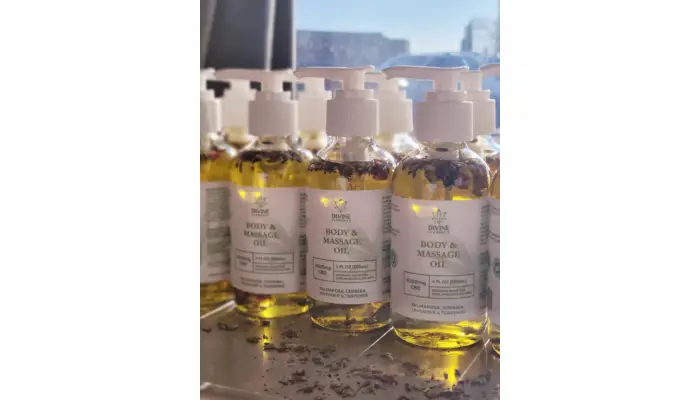
When looking to buy pure CBD oil safely, it’s essential to do some homework first. Start by researching reputable brands known for openness about their products; positive customer reviews can help. Don’t forget to check if independent labs have tested the oil with Certificates of Analysis available for verification. Read labels closely too, aiming for minimal ingredients and avoiding suspicious additives that hint at lower quality. Pay attention to how the CBD was extracted, ideally favoring CO2 methods over solvents. Lastly, understanding THC levels and clear dosage information is crucial in making a wise choice while considering feedback from other users can guide you well in your selection process.
1. Research the Source of CBD Oil
When it comes to buy pure CBD oil, the first step is to thoroughly research the source of the product. Start by seeking out reputable brands that are open about their production processes. Companies that provide detailed information about where their hemp is grown, how it’s processed, and the methods they use for extraction usually have a commitment to quality and transparency. Look for brands that have built a solid reputation over time and have positive customer reviews. For example, if you find a brand that has been recognized for its quality in industry publications or has testimonials from satisfied customers, that’s a good sign. Remember, a trustworthy source can significantly impact the quality of the CBD oil you choose.

2. Check for Third-Party Testing
When buying pure CBD oil, it’s crucial to check for third-party testing. This means that an independent laboratory has tested the product for quality and safety. Look for Certificates of Analysis (COAs) that detail the cannabinoid profile and confirm the absence of harmful substances. For example, if a brand claims their oil contains 500mg of CBD, the COA should verify this amount. Additionally, the COA should show that the product is free from contaminants like heavy metals, pesticides, and solvents. Without this verification, you can’t be sure what you’re getting, and it increases the risk of purchasing a product that may not be safe or effective.
- Ensure the lab is reputable and accredited.
- Look for certifications from recognized bodies.
- Confirm the testing methods used are thorough and legitimate.
- Check for transparency in lab results being available to the public.
- Verify if the third-party lab tests for contaminants such as heavy metals and pesticides.
- Compare results from different labs if available to ensure consistency.
3. Read the Label Carefully
Reading the label is a crucial step in buying pure CBD oil safely. Start by examining the ingredients list. A high-quality CBD oil typically contains just a few components: CBD extract, a carrier oil like MCT or hemp seed oil, and perhaps natural flavorings. If you notice a long list of additives or unfamiliar chemicals, it could be a sign of lower quality or synthetic ingredients, which you want to avoid.
Additionally, look for the concentration of CBD in the product. This information is usually presented in milligrams (mg) and can help you gauge how potent the oil is. For example, if a bottle has 500 mg of CBD in 30 mL, that gives you an idea of how much CBD you’re getting per serving.
It’s also important to check for any disclaimers or warnings on the label. These can provide insights into potential allergens or side effects. If the label lacks clear information, it may be wise to steer clear of that product. A transparent brand will take the time to ensure that their labels are informative and accurate.
4. Understand the Extraction Method
When buying CBD oil, it’s important to know how it was extracted from the hemp plant. The extraction method plays a crucial role in the quality and safety of the final product. CO2 extraction is the gold standard; it uses carbon dioxide under high pressure to pull out CBD and other beneficial compounds without leaving harmful residues. This method preserves the purity and potency of the oil. On the other hand, some brands use solvent extraction, which can involve chemicals like ethanol or butane. While it may be cheaper, these solvents can leave behind toxic residues that might compromise your health. Always check the product details to ensure it was extracted using CO2 or another safe method.
5. Know the Type of CBD Products
Understanding the different types of CBD products is crucial for making a safe purchase. There are three main categories: full-spectrum, broad-spectrum, and isolate. Full-spectrum CBD contains all cannabinoids found in the hemp plant, including trace amounts of THC (up to 0.3%). This combination can enhance the effects of CBD due to the entourage effect, where all compounds work together. Broad-spectrum CBD, on the other hand, includes multiple cannabinoids but has zero THC, making it a good choice for those who want to avoid THC altogether. Lastly, CBD isolate is the purest form of CBD, offering no other cannabinoids or THC, ideal for those seeking a straightforward, concentrated option. Knowing which type fits your needs will help you choose a product that aligns with your preferences and lifestyle.
6. Check for THC Levels
When buying CBD oil, it’s crucial to check the THC levels, especially if you want to avoid any psychoactive effects. THC, or tetrahydrocannabinol, is the compound in cannabis responsible for the high associated with marijuana. Legal CBD products should contain no more than 0.3% THC. If you prefer a product that is completely free of THC, look for broad-spectrum or isolate options. Broad-spectrum CBD includes multiple cannabinoids without THC, while isolate is pure CBD. Always verify that the product complies with legal THC limits by checking the Certificate of Analysis (COA). This not only ensures safety but also helps you make an informed choice that aligns with your personal preferences and legal guidelines.
7. Look for Clear Dosage Information
When buying CBD oil, it’s essential to find products that provide clear dosage information. This means the label should specify how much CBD is in each serving, helping you understand how to use the product effectively. For instance, if a tincture has 300 mg of CBD in a 30 mL bottle, you should be able to figure out how many drops or milliliters correspond to a specific dose, such as 10 mg. If the dosage isn’t clearly stated, it can lead to confusion and ineffective use. It’s a good idea to consult with a healthcare professional to determine the right dosage for your needs, especially if you are new to CBD or have specific health concerns.
8. Review Customer Feedback
Customer feedback is a vital resource when buying pure CBD oil. Reviews from other users can provide insight into the effectiveness and quality of a product. Look for comments about the product’s impact on specific issues, such as anxiety or pain relief. Consider sites like Trustpilot or Reddit, where users share unfiltered experiences. Pay attention to patterns in feedback; consistent praise or criticism can reveal a lot about a brand’s reliability. Additionally, be cautious of overly positive reviews that seem scripted, as they may not reflect genuine user experiences. Evaluating customer feedback helps you gauge whether a product aligns with your needs.
9. Consider the Price Range
When buying pure CBD oil, it’s important to consider the price range. While it might be tempting to choose the cheapest option available, be cautious. Products that are significantly lower in price than the average market value could be of inferior quality or may not contain the advertised amount of CBD. For example, if most reputable brands sell their CBD oil for $30 to $60 for a 30ml bottle, and you find one for $15, it’s worth investigating further. Compare prices from various trustworthy brands to find a reasonable range and ensure you’re getting a quality product. Remember, you often get what you pay for in the CBD market.
10. Be Aware of Marketing Claims
When shopping for CBD oil, it’s crucial to remain skeptical of marketing claims. Some products boast dramatic health benefits or miraculous healing powers, which can be misleading. For example, a brand might claim its CBD oil can cure chronic pain or anxiety without any scientific backing. Always remember, while CBD shows potential in various studies, the research is ongoing, and no product should promise guaranteed results. Look for companies that present realistic expectations, supported by evidence or research, rather than exaggerated statements. This vigilance helps you avoid products that may not deliver what they promise.
11. Check the Return Policies of Brands
When purchasing pure CBD oil, it’s essential to understand the return policies of the brands you’re considering. A clear and fair return policy can indicate a company’s confidence in its product. Look for brands that allow returns within a reasonable timeframe, such as 30 or 60 days, and understand the conditions under which returns are accepted. For example, some companies may require the product to be unopened or in its original packaging, while others may allow returns even if the product has been opened. This flexibility can offer peace of mind, especially if you’re trying a product for the first time and are unsure of its effects. A solid return policy shows that the brand values customer satisfaction and stands behind its product, making it a key factor in your buying decision.
12. Consult with a Healthcare Professional
Before purchasing and using pure CBD oil, it’s essential to consult with a healthcare professional. This step is particularly important if you have pre-existing health conditions or are currently taking other medications. A healthcare provider can help you understand how CBD might interact with your health status or medications. For example, CBD can affect how some drugs are metabolized in the liver, potentially leading to unintended side effects or reduced effectiveness of your current treatments. Additionally, they can provide guidance on appropriate dosages based on your individual needs. This professional insight ensures that you make informed decisions and prioritize your health and safety when incorporating CBD into your wellness routine.
Frequently Asked Questions
1. What should I look for when buying pure CBD oil?
When buying pure CBD oil, check for third-party lab tests, ingredient lists, and the source of the hemp used.
2. Is all CBD oil the same, and how can I tell the difference?
Not all CBD oil is the same; look for the extraction method, CBD concentration, and full-spectrum versus isolate options.
3. How can I confirm that CBD oil is safe to use?
To confirm safety, review lab test results, read customer reviews, and ensure the product is from a reputable source.
4. What does ‘full-spectrum’ mean when it comes to CBD oil?
‘Full-spectrum’ means the oil contains all cannabinoids, including THC, but in very low amounts, offering a wider range of benefits.
5. Are there any signs of low-quality CBD oil?
Signs of low-quality CBD oil include unclear labeling, no lab tests available, and very low or inconsistent potency.
TL;DR To buy pure CBD oil safely, research its source, ensuring the brand has a good reputation. Verify third-party testing with Certificates of Analysis (COAs) for purity. Read labels for minimal ingredients and be aware of the extraction method, preferring CO2 extraction. Know the types of CBD products available, such as full-spectrum and isolate, and check THC levels. Look for clear dosage instructions, review customer feedback, and compare prices among reputable brands. Be cautious of exaggerated marketing claims, check return policies, and consult a healthcare professional before use.

Pearl Collins is a freelance journalist and copywriter. Her work has been published in the International Business Times, The Guardian, and CNBC. She’s also written for startups such as Focal Point etc..