
How to Check the Value of Legendary Pokemon Cards
Understanding legendary Pokémon card values involves assessing rarity, condition, and market trends. Focus on fan favorites, check platforms like eBay, and consider selling options.
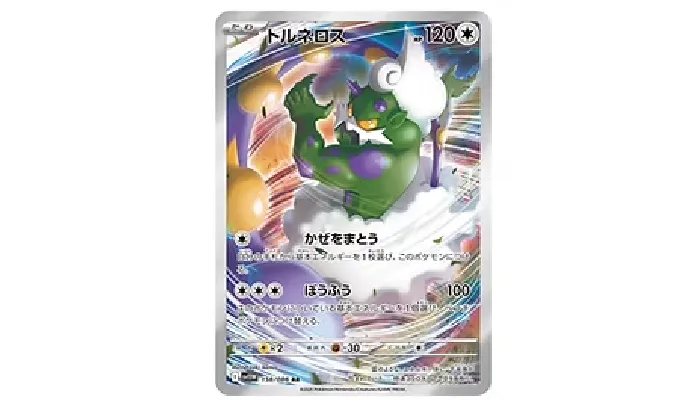
Checking the value of legendary Pokémon cards can be both exciting and overwhelming. First, it helps to understand rarity, denoted by symbols: a circle means common, while a star represents rare. Also, cards with first edition stamps or holographics are typically more valuable. The card’s condition plays a crucial role too; mint condition cards usually fetch higher prices than those with minor flaws. To spot valuable cards, focus on fan favorites like Charizard or limited editions. Research current market values using sites like eBay and TCGPlayer to guide your expectations. After assessment, consider selling online or trading at events for the best deals.
1. Understanding Rarity in Pokémon Cards
Rarity plays a key role in determining the value of legendary Pokémon cards. Cards are categorized based on rarity symbols found in the bottom right corner: a circle indicates a common card, a diamond stands for an uncommon card, and a star signifies a rare card. Ultra rare cards might have additional markings or colors that set them apart. First edition cards are particularly prized, as they were printed in limited numbers, making them a collector’s dream. Holographic cards also tend to attract higher prices due to their shiny finish and fewer print runs.
Cards from the early sets, like Base Set, Jungle, and Fossil, are often more valuable due to the nostalgia they evoke and their limited availability. Keep an eye out for special promotional cards that emerge during events, as these can be highly sought after. Some cards feature unique artwork or alternate versions, which can increase their rarity and potential value. Additionally, cards with unique features, like misprints or special foil patterns, may sell for more than standard versions.
Regional differences can also impact rarity; cards released only in certain areas could be harder to find globally. Understanding print runs is crucial too; the fewer cards produced, the more valuable they generally are. Collectors often seek cards that complete specific sets or feature popular Pokémon, which can significantly boost a card’s desirability and price.

2. The Impact of Card Condition on Value
Card condition plays a crucial role in determining the value of legendary Pokémon cards. Cards are graded on a scale from poor to mint, with higher grades leading to higher values. For instance, a mint condition card, which shows no signs of wear, can fetch a much higher price than one with visible damage. Even minor flaws, like slight scratches or edge wear, can decrease a card’s value but may still be acceptable for collectors, depending on the card’s rarity.
Professional grading by recognized services like PSA (Professional Sports Authenticator) or BGS (Beckett Grading Services) can significantly enhance a card’s value, especially for rare ones. Graded cards often sell for much more in the market than raw cards, which are ungraded. To maintain the condition of your cards, it’s essential to keep them in protective sleeves or cases and store them in a cool, dry place, as environmental factors like humidity and sunlight can affect their condition over time.
Regularly checking your collection for signs of wear or damage can also impact future value. Cards that have been well-preserved since their release are often more valuable than those that have been played with extensively. Additionally, having documentation of a card’s condition history can help potential buyers understand its value better. Taking these steps can make a significant difference in how much your legendary Pokémon cards are worth.
- Card condition is graded on a scale from poor to mint, with higher grades leading to higher values.
- Mint condition cards, which show no signs of wear, can fetch much higher prices than cards with visible damage.
- Minor flaws like slight scratches or edge wear can lead to decreased value but may still be acceptable for collectors.
- Professional grading by recognized services like PSA or BGS can enhance the value significantly, especially for rare cards.
- Keep cards in protective sleeves or cases to maintain their condition and prevent damage.
- Environmental factors, like humidity and sunlight, can affect card condition over time, so store cards in a cool, dry place.
- Regularly check your collection for any signs of wear or damage, as this can impact future value.
- Cards that have been well-preserved since their release are often more valuable than those that have been played with extensively.
- Understand the difference between raw cards and graded cards; graded cards often sell for much more in the market.
- Documentation of a card’s condition history can help potential buyers understand its value.
3. Identifying Valuable Legendary Cards
When looking for valuable legendary Pokémon cards, focus on popular characters like Mewtwo and Rayquaza, as these are often in high demand among collectors. Limited edition cards, especially those released during special events or tournaments, can also carry significant value due to their scarcity. Error cards, which feature unique printing mistakes, can become highly sought after and command premium prices. Additionally, certain sets, like XY Evolutions, have revived interest in classic cards, making legendary cards from these sets more desirable.
It’s essential to keep an eye on recent auction sales to understand which legendary cards are trending in value. The artwork and design of a card can play a crucial role in its appeal; unique or fan-favorite designs often see higher demand. Researching card rarities is another vital aspect; cards marked as secret rares or ultra rares usually have a considerable market value. Engaging with collector forums and social media groups can provide insights into which legendary cards are currently gaining traction. Lastly, consider the card’s history, as those with interesting backstories can attract more collectors. Be mindful of any reprints, as original versions generally hold more value than their reprinted counterparts.
4. Researching Market Values Effectively
To effectively research the market values of legendary Pokémon cards, start by using online platforms like eBay and TCGPlayer. These sites allow you to compare prices and find recent sales data for similar cards, giving you a good sense of what buyers are willing to pay. Bookmark key websites that specialize in Pokémon card valuations to stay updated on market trends. Joining online communities or forums can provide additional insights, as collectors often share their sales data and discuss market shifts.
Reviewing price guides is another helpful strategy, as these guides offer average market values for specific cards, aiding you in setting reasonable asking prices. Remember that prices can fluctuate based on demand, especially after new game releases or significant announcements. To see firsthand what buyers are willing to pay, consider attending card shows or conventions. This allows you to engage directly with the market and gain a better understanding of current value trends.
Don’t overlook mobile apps that track card values and help you manage your collection’s worth. Following influencers and experts in the Pokémon card community can also provide valuable insights on valuation and market changes. Always approach pricing with caution; base your research on completed sales rather than asking prices to avoid overly optimistic valuations. Finally, create a spreadsheet to track your cards and their values, making adjustments as market trends change.
5. Selling Your Pokémon Cards Smartly
When you’re ready to sell your Pokémon cards, choosing the right platform is key. eBay is popular for auction-style sales, allowing buyers to bid on your cards, while TCGPlayer is great for direct sales where you can set your price. Transparency about the condition and rarity of your cards will help build trust with potential buyers. Make sure to set competitive prices based on thorough market research to attract buyers, but be careful not to undervalue your cards.
Utilizing social media can also be beneficial. Promote your cards on platforms like Instagram or Facebook to reach a wider audience interested in Pokémon collectibles. Additionally, participating in local trading events or card shows gives you the chance to sell directly to collectors and negotiate prices in person, which can often lead to better deals.
Consider bundling cards to encourage sales. Pair less valuable cards with more sought-after ones to make the bundle more appealing. Also, keep shipping costs in mind; offering free shipping can attract more buyers, but ensure you factor that into your pricing strategy.
When listing cards online, use high-quality images that showcase their condition, as this can greatly influence a buyer’s decision. Be prepared to negotiate and communicate effectively with interested buyers; a friendly interaction can facilitate a smoother sale. Finally, don’t forget to track sales taxes or any fees associated with selling to maintain a clear understanding of your final profit.
6. Tracking Your Pokémon Card Collection
Keeping track of your Pokémon card collection is essential for any serious collector. Start by creating a digital inventory using spreadsheets or card management apps. This inventory should include details like the card’s condition, rarity, and market value, which will help you make informed decisions about selling or trading. Regularly update your inventory whenever you buy, sell, or trade cards to maintain an accurate record.
Organizing your cards by set or type can make it easier to locate specific ones when needed. Consider adding photos of each card to your inventory for visual reference and documentation. Tracking the history of each card, including purchase prices and profits from sales, can provide valuable insights into your collection’s growth over time.
Setting personal goals for your collection can keep things exciting, whether it’s completing specific sets or acquiring certain rare cards. Joining tracking communities where collectors share their collections and tips can also enhance your experience.
Using your inventory effectively allows you to assess the overall value of your collection, guiding your future investment decisions. Lastly, revisit and review your inventory regularly to evaluate which cards may be worth selling based on current market trends.
Frequently Asked Questions
What should I look for when checking the condition of my Pokemon card?
When checking the condition, look for factors like scratches, bends, or fading. Pay attention to the corners and edges, as these often show wear. The cleaner and sharper the card appears, the better its condition.
How can I tell if my card is a first edition or a rare version?
To identify a first edition card, check for a small ‘1st Edition’ stamp on the left side of the card. Rare versions often have unique markings or numbers on the card itself, which you can research online for validation.
Where can I find information about the history or popularity of my Pokemon card?
You can find information on various collector websites, forums, and social media groups. Many collectors share details and experiences, which can help you understand your card’s significance in the collector community.
What types of certifications exist for graded Pokemon cards, and how do they help?
Graded cards are often certified by companies like PSA or Beckett, which assess and give a grade to the card’s condition. This certification can enhance the card’s credibility among collectors and provide a better understanding of its value based on condition.
How do I avoid scams when checking the value of my legendary Pokemon cards?
To avoid scams, research prices from multiple trusted sources, and be cautious of deals that sound too good to be true. Joining collector communities can also provide valuable insights and warnings about potential scams.
TL;DR This guide explains how to check the value of legendary Pokémon cards by understanding rarity, evaluating card condition, identifying valuable cards, researching market values, selling through various channels, and tracking your collection effectively. Rarity indicators like symbols, first edition stamps, and holographic finishes are crucial, while card condition impacts value significantly. Popular cards and limited editions are more sought after. Research prices on platforms like eBay or TCGPlayer, and consider both online and local selling options. Maintaining an inventory helps manage your collection and aids in future transactions.
Resource URL:
https://www.pandashops.store/single-cards
https://en.wikipedia.org/wiki/Pokémon_Trading_Card_Game

Pearl Collins is a freelance journalist and copywriter. Her work has been published in the International Business Times, The Guardian, and CNBC. She’s also written for startups such as Focal Point etc..