
What Is Lake Dredging and How Do You Choose the Right Lake Dredge?

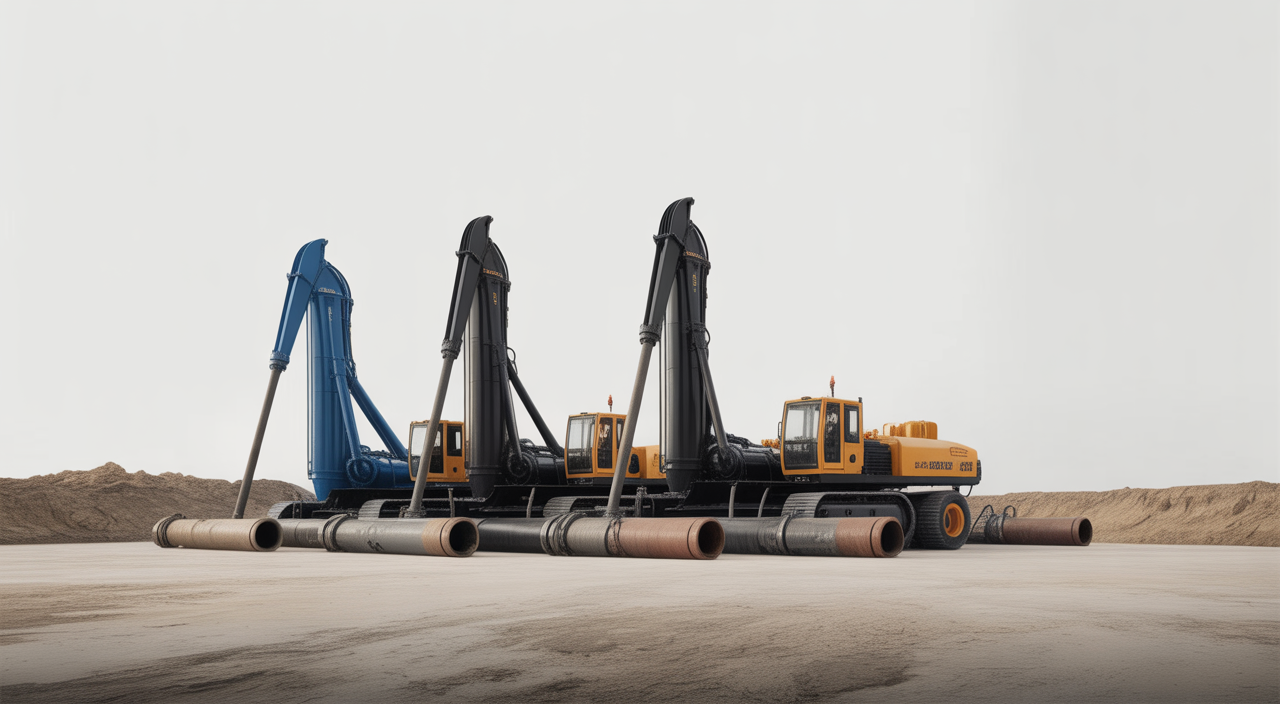
Lakes all over the world are slowly filling up with soil, sand, and organic waste. This natural build-up is called sedimentation. Over time, it makes the water shallow, dirty, and less useful for boating, fishing, and even drinking water. One proven way to fix this is to use a professional lake dredge service that removes this unwanted material from the lakebed.
If you are an Indian investor, a resort owner, or part of a local community group, lake dredging can turn a struggling waterbody into a valuable asset. It can support eco-tourism, water sports, and higher property values around the shore. Understanding how a lake dredge project works helps you plan costs, timelines, and long-term returns.
This guide explains the basics in simple language so you can talk confidently with dredging contractors and government officials.
What Is Lake Dredging?
Lake dredging is the process of removing sediment from the bottom of a lake. Sediment includes mud, sand, silt, and decayed leaves or plants. Over many years, this build-up makes the lake shallow and encourages algae growth. Dredging is a type of underwater excavation that restores depth and improves water quality.
There are two broad methods of sediment removal used in lakes:
- Hydraulic dredging uses a pump on a dredge boat to suck up water and sediment through a pipe to the shore. The mix is then treated using dewatering methods such as settling ponds or geotextile bags, which separate water from solids.
- Mechanical dredging uses excavators, buckets, or cranes to physically scoop out material from the lakebed, usually in smaller or more confined areas.
In many lake restoration projects, hydraulic dredging is preferred because it creates less disturbance and can work efficiently over larger areas.
Key Benefits of Using a Lake Dredge
A well-planned lake dredging project offers both environmental and financial benefits. For Indian investors, these advantages can support long-term returns from tourism, real estate, and agriculture.
- Improved navigation and recreation Deeper water allows boats, paddle craft, and small ferries to move freely. This supports water sports clubs, homestays, and resorts.
- Better water quality Removing nutrient-rich sediment helps control algae blooms and foul smells. This makes the lake more attractive for visitors and healthier for fish.
- Stronger local ecosystem A deeper, cleaner lake supports more oxygen in the water and better habitat for fish and aquatic plants.
- Higher land value Lakeside plots around a restored lake often sell at a premium. This is important for investors planning villa projects or eco-resorts.
The Lake Dredging Process: Step by Step
Most professional dredging contractors follow a clear process. As an investor, understanding each step helps you monitor progress and control risk.
- Preliminary survey Specialists carry out a hydrographic survey to map the lakebed. They measure depth and identify areas with heavy sediment. Soil samples help decide which type of lake dredging equipment is best.
- Permits and approvals In India, you typically need clearances from local bodies, pollution control boards, and sometimes state-level water resource departments. The contractor should guide you, but it helps to know expected timelines and document lists.
- Mobilization of equipment Once permissions are in place, the dredge boat, pipes, pumps, and support machinery arrive on site. Temporary access roads or floating pontoons may be set up to move equipment safely.
- Dredging operations The lake dredge starts removing sediment according to the survey plan. Operators monitor depth, fuel use, and production rate (often measured in cubic meters per hour).
- Dewatering and disposal The slurry pumped out of the lake passes through dewatering methods such as ponds or filter bags. Cleaned water can often flow back to the lake, while dry sediment can be reused for land filling, landscaping, or agricultural soil improvement if it is safe.
- Site restoration After completion, banks are repaired, access areas are cleaned, and vegetation may be replanted. Some projects also include aeration systems to maintain oxygen levels and long-term monitoring of water quality.
How Much Does Lake Dredging Cost?
Costs vary widely, but knowing the main drivers helps you budget clearly.
- Volume of sediment The more material that must be removed (in cubic meters), the higher the cost. A detailed survey prevents surprises later.
- Sediment type Soft silt is easier and cheaper to pump than rock or debris. Contaminated sediment needs special handling and approved disposal sites.
- Access and location Remote lakes or sites without proper road access can increase transport and setup expenses.
- Dewatering and disposal If you have nearby land to spread and reuse dried sediment, costs are lower. If the material must be hauled far away, the budget rises.
For investors, a simple way to see value is to compare project cost with expected gains from tourism revenue, higher lease rates, and possible government support for conservation projects.
Choosing the Right Lake Dredge and Contractor
Selecting a suitable lake dredge and reliable team is crucial. Here are key points to check before signing any contract:
- Experience with similar lakes Ask for case studies of past projects that match your lake size, depth, and purpose.
- Type of dredging method Hydraulic dredging is usually better for large, soft-sediment lakes. Mechanical dredging works well in smaller or very shallow corners.
- Quality of equipment Newer dredge boats with modern monitoring systems work faster and with less downtime.
- Clear environmental plan The team should have strategies to manage turbidity (suspended particles in water) and protect fish and plants.
- Transparent pricing Look for itemized quotes that mention mobilization, daily dredging rates, fuel, labor, and sediment disposal separately.
If you are considering related infrastructure such as under-lake pipelines or shoreline utilities, you may also want to read about modern pipe rehabilitation methods that reduce digging on land.
Environmental and Regulatory Considerations
Lakes are sensitive ecosystems, so a good project balances human use with nature protection.
- Water quality monitoring Regular testing of clarity, dissolved oxygen, and nutrients before and after dredging helps show positive impact.
- Fish and wildlife protection Work can be planned outside breeding seasons. Barriers or curtains in water can limit the spread of disturbed sediment.
- Long-term lake management Dredging is most effective when combined with catchment management, such as controlling soil erosion and untreated wastewater entering the lake.
For overall investment protection, it is also smart to understand related risk tools like contractor insurance basics so that large projects stay financially secure.
Practical Tips for Indian Investors Planning a Lake Project
India has thousands of tanks, reservoirs, and natural lakes that are ideal for restoration. Here are some practical suggestions:
- Start with a detailed feasibility study before talking about exact costs.
- Engage local communities and panchayats early so they support the project.
- Explore public–private partnership models for larger reservoirs.
- Plan for at least 10–15 years of benefits when you calculate your return on investment.
FAQs on Lake Dredging
Q1: How long does a typical lake dredging project take?
The timeline depends on lake size, sediment volume, and permits. A small private lake may take a few weeks once work starts, while a large reservoir can run for several months or be phased over a few years to manage budgets and environmental seasons.
Q2: Can the removed sediment be reused?
Yes, if tests show the sediment is clean and free from harmful chemicals. It can be used to raise low-lying land, create walking paths, or improve soil. Your contractor should arrange lab tests and suggest safe, legal uses.
Q3: How often does a lake need to be dredged?
In many cases, a major dredging project can last 15–30 years if catchment management is good. Regular maintenance, such as desilting in inflow channels, also helps delay the need for another full-scale lake dredge project.

Pearl Collins is a freelance journalist and copywriter. Her work has been published in the International Business Times, The Guardian, and CNBC. She’s also written for startups such as Focal Point etc..