
How to Maintain Your Mine Tailings Dredge?
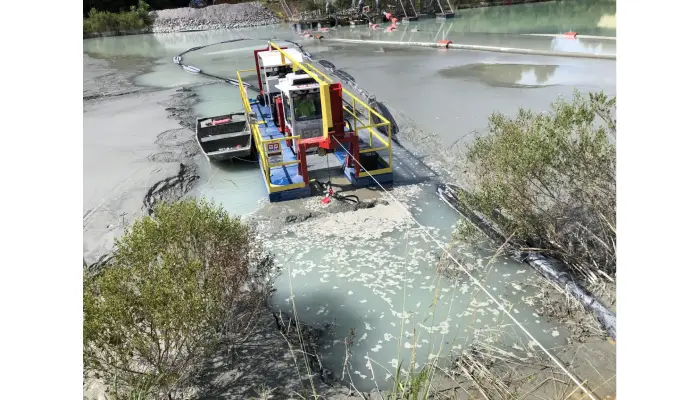
Maintaining mine tailings dredges is crucial for safe and efficient mining operations. First, understand that mine tailings are the leftover materials after valuable minerals are extracted. If not managed properly, they can lead to severe environmental risks like heavy metal contamination and acid mine drainage. Regular maintenance practices, including daily checks on fluid levels and weekly inspections of pumps, extend the dredge’s lifespan. Implementing automation can also help optimize efficiency. Training staff is key to ensuring everyone knows best practices while cleaning equipment allows for smooth operations. By prioritizing both maintenance and environmental care, mining companies can achieve sustainability in their projects.
1. What Are Mine Tailings?
Mine tailings dredge are the leftover materials after the extraction of valuable minerals from ore. They usually consist of crushed rock mixed with water and various chemicals, which can be harmful to the environment if not managed correctly. Tailings come in different types, including sandy, silty, and clayey, each presenting unique challenges in disposal and management. The processes involved in tailings disposal are critical, as they can lead to issues like acid mine drainage and heavy metal contamination if not handled properly. Common minerals found in tailings include arsenic, lead, and mercury, which pose potential hazards to ecosystems and human health. Tailings play a significant role in mining operations, serving as byproducts that require careful oversight. Globally, mining generates billions of tons of tailings annually, making effective management essential. Examples of tailings facilities can be found worldwide, from large dams in Brazil to smaller storage systems in Canada. Best practices for tailings storage emphasize safe containment and monitoring to prevent environmental disasters. Climate change impacts, such as increased rainfall and temperature fluctuations, further complicate tailings management, pushing the industry towards innovative trends in treatment and recycling to minimize their footprint.
2. Regular Maintenance Practices
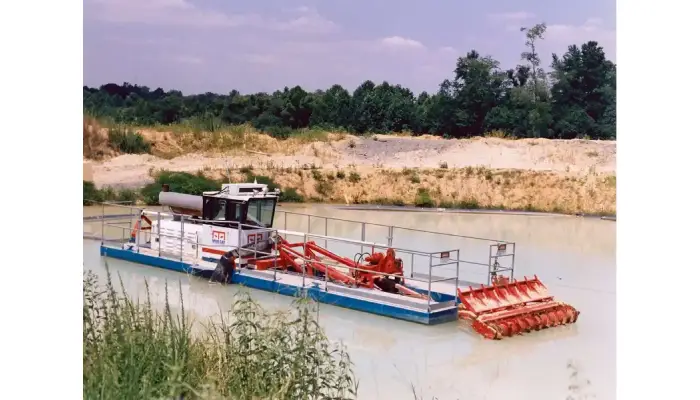
Regular maintenance practices are essential for ensuring the efficient operation of mine tailings dredges. Start with daily inspection routines that focus on key aspects such as fluid levels and safety systems. These checks help catch small issues before they escalate into major problems. Safety systems, in particular, should be inspected regularly to adhere to compliance standards and protect workers.
Implementing a strategic maintenance calendar is crucial for scheduling inspections and servicing. This approach not only optimizes downtime but also keeps the dredging operations running smoothly. Maintenance logs serve as effective tools to track equipment history, allowing teams to identify patterns of wear and tear over time.
Visual inspections play a significant role in early problem detection. Regularly examine the dredging equipment for signs of wear, corrosion, or other damage. Look closely at hoses, pumps, and engines; a keen eye can spot potential failures before they affect productivity.
Cleaning is another vital aspect of maintenance. Regularly flush pumps, clean sediment from the equipment, and inspect hoses to maintain optimal performance. Common mistakes, such as neglecting routine checks or overlooking minor repairs, can lead to costly downtime and repairs.
Incorporating technology to streamline maintenance processes can enhance efficiency. For instance, using software for predictive maintenance can alert teams to potential issues based on data trends, allowing for timely interventions. Overall, a proactive approach to maintenance significantly impacts dredging performance, ensuring operations remain productive and safe.
- Daily inspection routines for operational efficiency
- The importance of checking safety systems regularly
- Strategies to identify wear and tear in equipment
- Implementing a maintenance calendar for scheduling
- Using maintenance logs to track equipment history
- The role of visual inspections in early problem detection
- How to effectively clean and maintain dredging equipment
- Common maintenance mistakes to avoid
- Using technology to streamline maintenance processes
- Impact of regular maintenance on overall dredging performance
3. Creating Comprehensive Maintenance Checklists
Creating comprehensive maintenance checklists is essential for ensuring the smooth operation of mine tailings dredges. An effective checklist should include elements such as daily, weekly, and monthly inspection tasks, focusing on critical components like pumps, engines, and safety systems. To customize checklists for specific equipment, consider the unique features and operational requirements of each dredge, ensuring that all necessary areas are covered. Prioritizing maintenance tasks based on urgency is crucial, as it allows teams to address pressing issues first, minimizing downtime and preventing costly repairs.
Checklists also play a significant role in promoting accountability among staff. By assigning specific tasks to individuals and requiring sign-offs upon completion, you create a culture of responsibility, making it clear who is in charge of each maintenance activity. Additionally, utilizing digital checklists offers benefits such as easy access, real-time updates, and data analytics, which can enhance tracking and reporting. In contrast, paper checklists can be cumbersome, leading to lost documents or outdated information.
Essential checklist items for dredges might include fluid levels, safety system functionality, and equipment cleaning routines. It’s also important to incorporate safety checks into maintenance routines, ensuring that all personnel are aware of potential hazards and equipped to manage them. Regularly reviewing and updating checklists keeps them relevant and effective, allowing for adjustments based on new equipment or changing operational conditions. Furthermore, checklists can serve as valuable training tools for new staff, providing a clear framework for maintenance procedures. Lastly, thorough documentation of maintenance activities not only supports compliance with regulations, but it also helps identify trends and areas for improvement over time.
4. The Role of Training in Maintenance
Training is a vital component in maintaining your mine tailings dredge. Effective training programs for maintenance staff should incorporate various methods to ensure they are well-prepared. Hands-on training in real-world scenarios is particularly essential, as it allows employees to apply their skills and knowledge directly to the equipment they will be working on. Keeping training programs up to date with the latest technological advancements is critical, especially in an industry where innovations in dredging are continually emerging.
Utilizing simulations can greatly enhance training for complex dredging operations, giving employees the chance to practice procedures without the risk of damaging equipment. Cross-training employees is also beneficial, as it creates flexibility within your team, allowing them to step into various roles as needed. Regularly assessing employee skills and identifying training needs ensures that all staff members are equipped with the necessary expertise to effectively maintain the dredge.
Incorporating safety training into maintenance programs is non-negotiable, as a well-trained staff can significantly reduce the risk of accidents and enhance equipment reliability. Fostering a culture of continuous learning encourages employees to pursue knowledge actively, leading to improved operational efficiency. Finally, collaborating with industry experts for training opportunities can provide invaluable insights and skills that further elevate your team’s capabilities.
5. Cleaning and Upkeep Techniques
Keeping your mine tailings dredge clean is crucial for its efficiency and longevity. Start with best cleaning practices: rinse off equipment after use to prevent buildup and corrosion. Developing a cleaning schedule that fits your operations is key; consider daily quick cleanings and deeper weekly or monthly scrubs. Use recommended cleaning products like biodegradable detergents, which are effective yet safe for the environment. For stubborn residues, try using a vinegar solution or a gentle abrasive scrub, but always test in a small area first. Water quality plays a significant role in cleaning; using clean, filtered water can enhance the effectiveness of your cleaning efforts. Regular maintenance is vital for pump longevity, as dirt and debris can lead to breakdowns. Remember, a clean dredge performs better, so prioritize cleanliness in your operations. Dispose of waste materials safely by following local regulations, and consider using eco-friendly cleaning solutions to minimize environmental impact. Maintaining cleanliness not only boosts performance but also ensures the safety of your equipment and crew.
6. Innovations in Dredging Technology
Innovations in dredging technology are transforming the industry and bringing exciting advancements to mine tailings management. Automated dredging systems are leading the charge, allowing for more efficient operations that reduce human error and enhance productivity. These systems can operate continuously and optimize dredging patterns based on real-time data analytics, significantly cutting down on waste and improving overall efficiency.
Emerging technologies in dredge design and operation are also making waves. For instance, the integration of the Internet of Things (IoT) is enabling real-time monitoring of dredging activities, connecting various components to provide crucial insights into performance and maintenance needs. This connectivity allows operators to make informed decisions swiftly, helping to prevent breakdowns and ensuring that operations run smoothly.
Drones are playing a pivotal role in monitoring dredging activities from above, offering a bird’s-eye view that enhances safety and efficiency. They can track sediment dispersion and provide high-resolution imagery of the dredging site, making it easier to manage environmental impacts. Moreover, 3D modeling is revolutionizing project planning, allowing teams to visualize dredging operations before they even commence, thus minimizing risks and improving outcomes.
Successful implementations of these technologies are already visible. For example, a project in Australia utilized drones and IoT devices to create a comprehensive monitoring system, leading to a substantial reduction in operational costs and environmental footprint.
Remote control and operation systems are becoming more prevalent, allowing for dredging operations to be managed from a safe distance, reducing the risk to personnel. The future of dredging technology looks promising, with trends pointing toward even greater automation, smarter machines, and enhanced environmental stewardship, making dredging not only more efficient but also more sustainable.
7. Monitoring Environmental Impacts
Monitoring environmental impacts during mine tailings dredging is essential to ensure that operations do not harm surrounding ecosystems. Establishing baseline environmental conditions before starting dredging helps in accurately assessing changes over time. Methods for monitoring water quality, such as regular sampling and analysis of pH, turbidity, and heavy metals, can provide real-time insights into the dredging’s effects.
Sediment sampling plays a crucial role in impact assessments, revealing how dredging might alter local habitats. Strategies to minimize disruption include using silt curtains and quieter dredging techniques, which can significantly reduce the spread of sediment and noise pollution. Technology, like sensors and drones, can enable real-time environmental monitoring, giving operators immediate feedback to make timely adjustments.
Engaging local communities in these monitoring efforts fosters transparency and builds trust. When residents are involved, they can share valuable insights that might otherwise go unnoticed. Moreover, transparent environmental reporting is vital for accountability, ensuring that stakeholders are informed about the dredging’s impacts.
Case studies have shown that successful environmental monitoring leads to better management practices. For example, a project in Canada demonstrated that continuous monitoring helped adapt operations to protect local fish populations. Tools for assessing long-term environmental impacts, such as modeling software and long-term ecological studies, can guide future practices.
Ultimately, adapting practices based on monitoring results not only safeguards ecosystems but also enhances the sustainability of mining operations.
8. Understanding Regulatory Compliance
When it comes to dredging operations, knowing the key regulations is essential. Local, state, and federal guidelines shape how dredging is conducted, ensuring safety and environmental protection. Obtaining the necessary permits and licenses is not just a formality, it’s a legal requirement that can significantly affect project timelines and costs. Engaging with regulatory bodies can help clarify compliance expectations and provide insights into best practices. Maintaining detailed compliance records is crucial; these logs can protect you in case of audits or disputes. Non-compliance can lead to hefty fines, project delays, or even shutdowns, so understanding how to navigate these regulations is vital.
Staying updated on changing regulations is another important aspect of compliance. Regularly reviewing guidelines can help you adapt your practices accordingly. Environmental impact assessments play a significant role too, as they evaluate potential risks and help mitigate negative effects on local ecosystems. Creating a compliance checklist tailored for your dredging projects can streamline operations and ensure you meet all necessary requirements. Companies that have successfully navigated compliance often share their strategies, providing valuable lessons learned. For example, proactive engagement with local communities and regulators can lead to smoother project execution and enhanced public trust.
9. Cost Management Strategies
Cost management is crucial in maintaining your mine tailings dredge effectively. Start by understanding the key components of your dredging budget, which typically includes labor, materials, maintenance, and operational costs. Utilizing techniques like tracking expenditures in real-time allows for better control over your costs, ensuring that you stay within budget. Evaluating the cost-benefit of maintenance practices helps determine which actions yield the most significant savings in the long run.
It’s crucial to realize the financial impact of downtime; each hour a dredge is offline can lead to significant revenue loss. Negotiating better rates with suppliers is another effective strategy, as building strong relationships can lead to discounts or more favorable payment terms.
Leveraging technology can also optimize operational costs; for instance, adopting software for fuel management can significantly reduce consumption. Implementing strategies like optimizing dredging routes can lead to further fuel savings.
Creating a detailed cost management framework is essential for evaluating the effectiveness of your initiatives. Regularly assess these strategies to ensure they are working as intended. For example, a mining operation that implemented automated systems saw a 30% reduction in operational costs, showcasing the power of technology in enhancing financial health. By focusing on these strategies, you can achieve a more efficient and cost-effective dredging operation.
10. Successful Case Studies in Dredging
Around the globe, innovative dredging projects showcase the potential for success in managing mine tailings effectively. For instance, a notable project in Brazil utilized advanced automated dredging systems, achieving a remarkable 30% reduction in operational costs. This success highlights the importance of embracing technology to enhance efficiency.
Community engagement has proven critical in many dredging operations. A Canadian project demonstrated how involving local communities led to improved monitoring practices, which minimized environmental impacts and fostered trust between stakeholders and operators. Such collaborations often result in better outcomes for both the environment and the community.
Financially successful dredging operations highlight the value of strategic planning and execution. Projects that focused on key performance indicators, like cost-efficiency and operational uptime, not only met their production targets but also achieved significant returns on investment.
Environmental recovery stories post-dredging are also noteworthy. In regions where dredging has been done responsibly, initiatives such as planting native vegetation have revitalized local ecosystems, showcasing that dredging can lead to positive environmental outcomes when managed properly.
The role of stakeholder collaboration cannot be overstated. Successful projects often emerge from strong partnerships among mining companies, local governments, and environmental organizations. This collaborative approach not only aids in smoother project execution but also ensures compliance with regulations and addresses community concerns.
Looking at different dredging techniques through a comparative analysis can provide insights into best practices. Some techniques may offer advantages in specific environments or conditions, leading to better resource recovery and lower environmental footprints.
As we analyze these successful case studies, the future implications for the dredging industry become clear. The lessons learned from these projects can guide new initiatives, encouraging a shift towards more sustainable and community-focused dredging practices.
11. The Future of Mine Tailings Management
The future of mine tailings management is an exciting blend of innovation and sustainability. Innovative tailings solutions, such as the use of dry stacking and paste tailings, are gaining traction, significantly reducing environmental risks associated with traditional storage methods. This shift emphasizes sustainability, aligning with global efforts to minimize ecological footprints. By integrating circular economy principles, mining companies can transform waste into valuable resources, promoting reuse and reducing disposal costs. Advanced monitoring technologies, like drones and remote sensing, are revolutionizing how we track tailings. These tools provide real-time data, enabling proactive risk assessment and mitigation, essential for preventing disasters. Community engagement strategies are also evolving, ensuring local voices are heard in decision-making processes, fostering trust and collaboration. Global collaboration efforts are becoming more common, as countries and organizations share best practices and technologies. Investment in research and development is crucial, paving the way for new methods and materials that enhance safety and efficiency. Regulatory evolution is shaping the landscape, with stricter guidelines pushing for better practices and accountability. Ultimately, long-term environmental stewardship is the goal, ensuring that mining operations not only thrive today but also protect our planet for future generations.

Pearl Collins is a freelance journalist and copywriter. Her work has been published in the International Business Times, The Guardian, and CNBC. She’s also written for startups such as Focal Point etc..