What Happens During a Home Sleep Apnea Test?
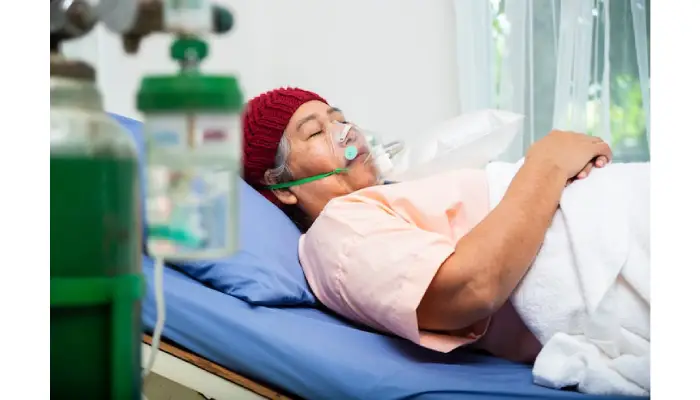
Home sleep apnea tests (HSAT) offer a convenient way for individuals to diagnose obstructive sleep apnea from the comfort of their own homes. The process begins with a healthcare provider’s prescription, followed by the setup of portable monitoring devices that track vital data during sleep. These devices often include pulse oximeters to measure blood oxygen, respiratory sensors, and sometimes microphones to capture snoring. After one night of testing in their usual environment, data is collected and analyzed by specialists who interpret the results. This method not only enhances comfort but is also generally more affordable than traditional lab studies, paving the way for timely diagnosis and treatment.
1. Understanding Home Sleep Apnea Tests
Home sleep apnea test (HSAT) are a fantastic way to diagnose obstructive sleep apnea in the comfort of your own home. These tests are non-invasive and easy to use, allowing you to manage your sleep environment and promote natural sleep patterns. The primary goal is to monitor your breathing during sleep to identify any potential sleep apnea episodes, which can lead to serious health issues if left untreated. If you snore loudly, feel excessively sleepy during the day, or have difficulty breathing at night, it’s wise to consult a healthcare provider about a home sleep test.
Once you receive the equipment, you will get clear instructions on how to prepare, including making any necessary lifestyle adjustments. You’ll typically use a portable device equipped with sensors to monitor various physiological parameters, like blood oxygen levels and breathing effort. This information is collected over the course of a night, giving a comprehensive view of your sleep patterns. If needed, you can often use the equipment multiple times, allowing for ongoing monitoring.
After the test, a sleep specialist reviews the data, usually within a few days, enabling quick treatment decisions. This process empowers you to take charge of your health and sleep quality, leading to timely interventions that can significantly improve your overall well-being.

2. Equipment Used in Home Sleep Apnea Tests
Home sleep apnea tests utilize a variety of compact and portable devices, designed to make the testing process simple and comfortable right in your own bedroom. One essential piece of equipment is the pulse oximeter, which clips onto your finger to provide real-time monitoring of blood oxygen levels, a key indicator of sleep apnea severity. Alongside this, respiratory sensors are strategically placed around your chest or abdomen to track the effort and regularity of your breathing throughout the night, ensuring that every breath is accounted for.
For airflow measurement, nasal cannulas are used. These soft tubes fit comfortably in your nostrils, allowing for accurate data collection without disturbing your sleep. Some devices also include microphones to capture snoring and other relevant sounds, aiding in the diagnostic process.
User-friendly interfaces on these devices make them easy to operate, allowing you to set everything up without hassle. Many modern devices are battery-operated, which adds to their convenience by eliminating the need for complex wiring or power sources while you sleep. Moreover, advancements in technology have led to more precise sensors that enhance the reliability of home tests, providing healthcare providers with secure and easily accessible data to help inform your treatment options. Some devices even feature sleep tracking capabilities that offer insights into your overall sleep health, making it easier to understand your patterns and improve your well-being.
- The devices are compact and portable, making them easy to use at home.
- Pulse oximeters provide real-time monitoring of oxygen saturation, an important indicator of sleep apnea severity.
- Respiratory sensors help track the effort and regularity of breathing patterns throughout the night.
- Nasal cannulas are designed for comfort, ensuring minimal disruption during sleep while collecting accurate airflow data.
- Microphones can help capture snoring and other relevant sounds, aiding in diagnosis.
- User-friendly interfaces on devices allow for easy operation and troubleshooting.
- Data is often stored securely, ensuring patient privacy while allowing for easy access by healthcare providers.
- Some devices feature sleep tracking capabilities, giving insights into overall sleep health.
- Battery-operated devices offer convenience, eliminating the need for complex wiring or power sources during the night.
- Advancements in technology have led to more precise sensors, enhancing the reliability of home tests.
3. The Testing Process for Home Sleep Apnea
The testing process for home sleep apnea is designed to be user-friendly and efficient. After you receive the equipment, a brief training session helps you understand how to use the devices properly. The setup is straightforward, usually requiring just a few steps to ensure everything is in place for accurate readings. You’ll typically monitor your sleep for one night, and it’s important to stick to your regular sleep schedule and bedtime routine to get the best results.
The devices automatically record data throughout the night, so you won’t have to worry about manual input. Once you wake up and the test is complete, you simply return the equipment to your healthcare provider. Sleep specialists then analyze the data using advanced algorithms to identify any patterns that indicate sleep apnea. The results will often include an apnea-hypopnea index (AHI) score, which helps classify the severity of any sleep apnea detected. After a thorough evaluation, follow-up consultations are usually scheduled to discuss your results and potential treatment options. The entire process is designed to be non-intrusive, allowing you to focus on getting a good night’s sleep.
4. Benefits of Home Sleep Apnea Testing
Home sleep apnea testing offers several exciting benefits that make it an appealing option for many patients. One of the key advantages is the comfort of sleeping in your own bed. This familiar environment can lead to more accurate results, as patients are likely to sleep better and more naturally. Additionally, home tests significantly reduce wait times for diagnosis compared to traditional lab tests, allowing individuals to address their sleep issues sooner.
Accessibility is another major plus. For those with mobility issues, home testing removes the barriers associated with traveling to a sleep lab, making the diagnostic process more inclusive. Many patients also find the thought of overnight stays in a lab to be anxiety-inducing. Home tests alleviate that stress, leading to a more relaxed testing experience.
The quick sharing of results via digital platforms ensures that healthcare providers can act swiftly, expediting the overall care process. This streamlined approach encourages patients to seek help sooner, which is crucial for effective management of sleep-related health issues. Moreover, the growing trend of telehealth consultations following the test enhances convenience and follow-up care.
Home sleep apnea tests support greater patient autonomy, allowing individuals to take charge of their health. With insurance coverage expanding for these tests, they are becoming a more financially feasible option. Overall, these benefits highlight why home sleep apnea testing is becoming an increasingly popular choice for diagnosing and managing sleep apnea.
5. Limitations and Considerations of Home Testing
Home sleep apnea tests, while convenient, come with several limitations that are important to consider. For starters, these tests may not be suitable for individuals with complex medical histories or multiple sleep disorders. If a patient has conditions like central sleep apnea, an in-lab study may be necessary for an accurate diagnosis. Additionally, some people might find it challenging to properly set up the equipment, which can lead to inaccurate results. For instance, if sensors are misaligned, the data collected could be flawed, potentially resulting in a false sense of security.
Another critical factor is that home tests generally do not monitor brain activity, a key element in diagnosing certain sleep disorders. This lack of detailed analysis can limit the understanding of a person’s overall sleep architecture, leaving gaps in the diagnosis. Patients with comorbidities, such as heart conditions, may also require additional monitoring that home tests cannot provide.
Moreover, individuals with nasal congestion or other breathing difficulties might not receive accurate airflow readings, impacting the reliability of the results. Financially, some insurance plans may not cover the cost of home sleep tests, which could lead to unexpected out-of-pocket expenses for patients.
It’s also vital for patients to understand that follow-up testing might be necessary if symptoms persist, as home tests can sometimes yield incomplete results. Technical issues with the devices can further complicate matters, resulting in incomplete data that may require a retest in a sleep lab. Therefore, education on the proper use of home testing equipment and awareness of its limitations is essential for patient compliance and understanding.
Frequently Asked Questions
What is a home sleep apnea test, and why is it important?
A home sleep apnea test is a simple way to check if you have sleep apnea, which is when your breathing stops and starts while you sleep. It’s important because it helps you find out if you need treatment to sleep better and stay healthy.
What equipment will I use during the test?
During the test, you’ll use small devices that fit comfortably. These often include a tube to monitor your breathing, a sensor for your blood oxygen levels, and sometimes a belt around your chest to check your heart rate. They are easy to wear, so you can sleep naturally.
How do I prepare for a home sleep apnea test?
Preparing is easy! Just follow your doctor’s instructions, avoid caffeine or alcohol before the test, and stick to your normal sleep schedule. Make sure to create a comfortable sleep environment at home to help you rest well.
What can I expect while taking the test at home?
While taking the test at home, you’ll just go to bed like usual after putting on the equipment. The devices will record your breathing, heart rate, and oxygen levels while you sleep. There’s nothing complicated, so you can relax and focus on getting a good night’s sleep.
When will I get the results from my home sleep apnea test?
After you complete the test, your doctor will analyze the data and usually get back to you within a week or so. They will discuss the results with you and explain what they mean for your sleep health.

Pearl Collins is a freelance journalist and copywriter. Her work has been published in the International Business Times, The Guardian, and CNBC. She’s also written for startups such as Focal Point etc..